


Unlock Kenyan MSME growth with published formalization tools. Bridge the visibility gap, access the Hustler Fund, and secure government tenders.
In the Kenyan MSME sector, the Visibility Gap is the Regulatory Chokehold. Millions of entrepreneurs stay informal because they perceive registration as an invitation for harassment and taxation without representation.
Without a Published Value-Exchange, where an entrepreneur can see citable proof that registration leads to lower interest rates, government contracts (BETA agenda), and social protection, they remain “invisible,” high-risk, and unbankable.
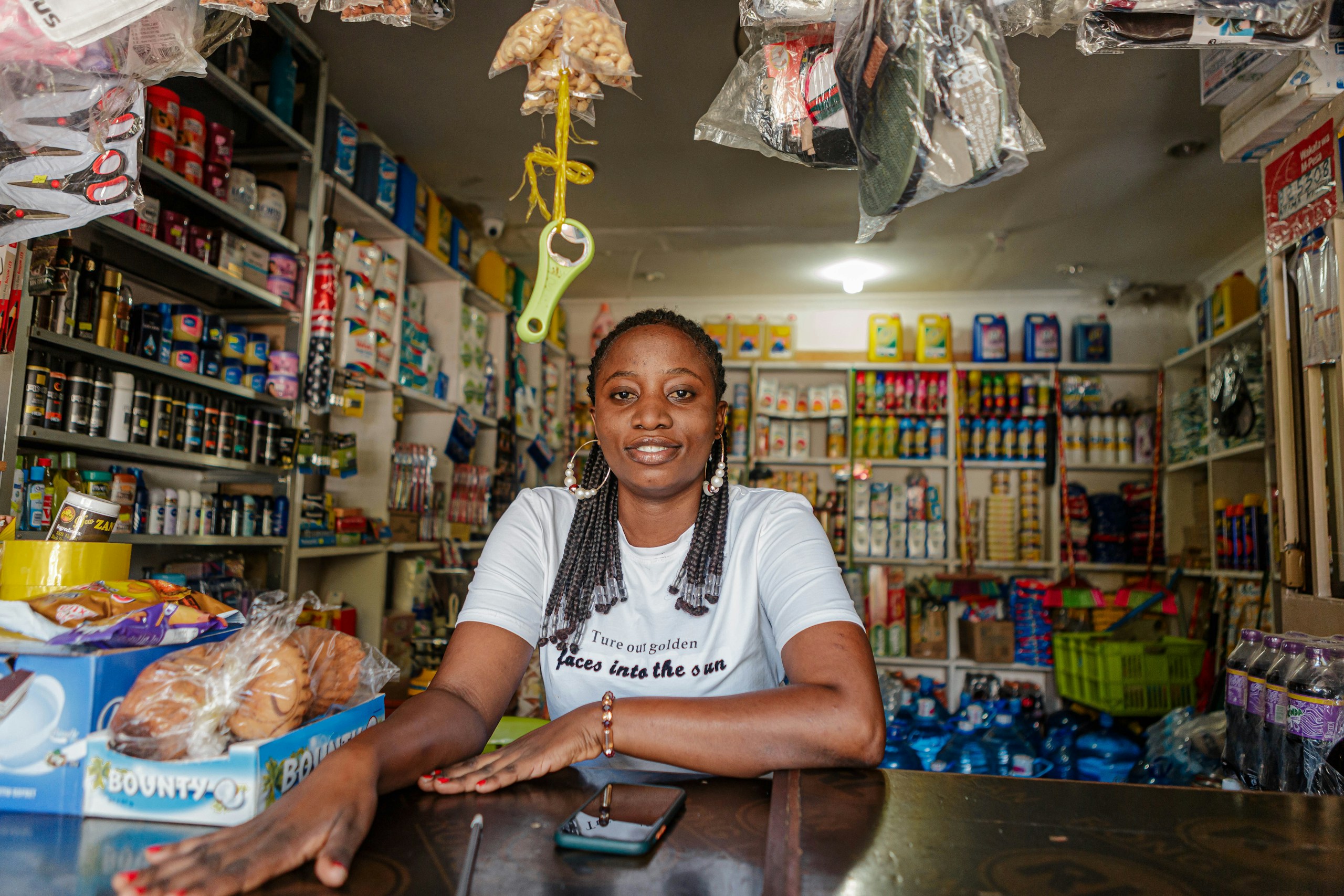
What Stakeholders Are Currently Doing (With Zero Results)
To differentiate themselves, MSME enablers currently rely on:
- Forced Digitization without Support: Moving everything online (e-TIMS, etc.) without providing the Digital Literacy or Incentives to use the systems.
- Simplistic “One-Stop Shops”: Creating physical centers that still require dozens of documents, failing to bridge the “Documentation Gap” for those with informal backgrounds.
The Result: “The Stunted Growth Trap.” 80% of MSMEs remain informal, limiting their contribution to 40% of GDP despite employing 90% of the workforce. They cannot access the Hustler Fund or Credit Guarantee Schemes (CGS) because they lack a “Formal Persona.”
What GreenDeveX Brand Publishing Strategy Does Differently
GreenDeveX turns “Registration” into “Strategic Readiness.” We move beyond “Enforcement” and focus on “Empowerment Architecture.”

Our strategy involves:
- The “Formalization Yield” Ledger: Publishing the “ROI of Formality”—tracking the exact revenue growth of 2.5 million newly registered firms since 2023.
- The “Missing Middle” Audit: Documenting how clusters (reduced from 30 to 5 members) use Collective Formalization to win tenders for the National Affordable Housing Program.
- The “RPL” (Recognition of Prior Learning) Tracker: Publishing technical certifications for artisans, converting “years on the street” into “years of citable experience.”
Case Study: The Formalization Gateway

How “Gikomba Apparel Hub” Closed the Visibility Gap
The Crisis: The “Criminalization of Work”
In the last 6 decades, the Gikomba cluster has been thriving but excluded. Despite making 60% of Nairobi’s institutional uniforms and workwear, they keep losing public contracts to large factories.
The Visibility Gap was a failure of Organizational Integrity. To the State Department for MSMEs, they were “disorganized traders,” not “Industrial Partners.”
The Stakeholder Trap: Why “Buy Local” Slogans Fail
The hub tried to solve this by protesting for lower licenses. This was a “Zero Result” strategy. Today, the government needs Formal Suppliers to fulfill the Bottom-Up Economic Transformation Agenda (BETA).
By staying informal, they’re missing out on the KSh 12 Billion allocated for MSME support in the year-over-year budget.
The GreenDeveX Intervention: Publishing the “Sovereign Supplier” Series
GreenDeveX launched a series titled “The Gikomba Blueprint: Scaling Informal Clusters into National Suppliers.”
Why Brand Publishing Matters in Alleviating the Visibility Gap
Brand Publishing turns a “Tax ID” into a “Trust Asset.” It bridges the gap between the informal economy’s resilience and the formal economy’s capital.
By publishing the Verified Competency of a cluster, you provide the “S” (Social) and “G” (Governance) proof-points that allow commercial banks to lower interest rates from 18% to 10% for “Integrity-Proven” groups.
Who Should Care To Read The Case Study & Act Immediately
How to Contribute Towards The Social Impact Ledger Magazine

Is your MSME platform a silent record-keeper or a published engine of national growth?
The “Visibility Gap” is why your merchants are seen as a “risk” rather than a “resource.” Join the Social Impact Ledger to turn your transaction data into a published blueprint for institutional readiness.
Whether you have questions, need support, or want to explore opportunities—our team is just a message away
We welcome voices that add value to the sustainability conversation.
Address
137 Farah Close, Karen, Nairobi
Phone
(254) 798 386 137
partnership@greendevex.com
What You May Submit:
- Opinion pieces
- Research-backed articles
- Country or county case studies
- Field stories
- Interviews
- Policy insights
Submit an Article
Our editorial team reviews each submission and works with authors to refine the piece.


