

Traditional cooking methods pose health and environmental challenges for Maasai women. With energy-saving stoves distributed by the Maasai Mara Rotary Club, families are experiencing safer, cleaner cooking while reducing firewood consumption. This initiative is a win for health, livelihoods, and conservation.
Introduction: The Kitchen as a Cornerstone of Change
In the heart of the Maasai Mara, where traditions thrive amidst modern challenges, the kitchen remains a focal point of family life. For many Maasai women, cooking isn’t just a daily chore; it’s a ritual that brings families together. Yet, for generations, this ritual has been overshadowed by smoke-filled kitchens, hours spent collecting firewood, and the health and environmental burdens of traditional cooking methods.
Enter the Maasai Mara Rotary Club, a transformative force under the leadership of Catherine Mutula. By introducing energy-saving stoves to rural households, the club has sparked a quiet revolution—one that enhances health, conserves the environment, and empowers women. This blog delves into the profound impact of these stoves, highlighting their role in shaping a healthier, greener, and more equitable future for the Maasai Mara.
The Challenges of Traditional Cooking
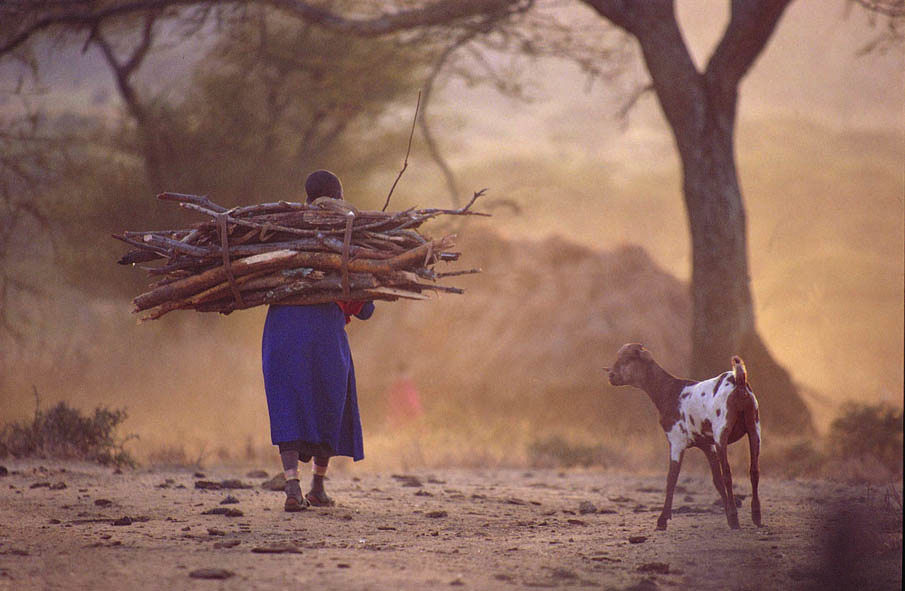
Cooking over open fires or using rudimentary stoves has been the norm in rural Maasai communities for centuries. While deeply rooted in culture, these methods come with significant drawbacks:
1. Health Hazards
- Indoor Air Pollution: Open fires release high levels of harmful pollutants, such as carbon monoxide and particulate matter.
- Respiratory Issues: Prolonged exposure leads to respiratory diseases, with women and children being the most affected.
- Eye Problems: Constant exposure to smoke often results in chronic eye irritation and vision problems.
2. Environmental Degradation
- Deforestation: Collecting firewood depletes forests, a critical issue in areas like Narok County, where trees are vital for biodiversity.
- Carbon Emissions: Traditional cooking contributes significantly to greenhouse gas emissions.
3. Social and Economic Impacts
- Time and Labor: Women spend hours gathering firewood, time that could be invested in education, income-generating activities, or rest.
- Economic Costs: Families reliant on purchased firewood face financial strain, especially during dry seasons.
The Energy-Saving Stove Solution

Recognizing these challenges, the Maasai Mara Rotary Club launched its Energy-Saving Stove Initiative. Designed to address health, environmental, and economic concerns, these stoves are a game-changer for rural communities.
Key Features of the Stoves:
- Efficient Design: Uses less firewood while maintaining high cooking efficiency.
- Health Benefits: Produces significantly less smoke, reducing indoor air pollution.
- Durability: Built to last, with minimal maintenance requirements.
- Eco-Friendly: Supports sustainable energy practices by reducing deforestation.
How the Initiative Works
The success of the Energy-Saving Stove Initiative lies in its strategic implementation:
- Community Engagement:
- The Rotary Club partners with local leaders to identify families most in need.
- Awareness campaigns educate communities on the benefits of transitioning to energy-saving stoves.
- Training and Support:
- Beneficiaries receive training on proper stove use and maintenance.
- Local technicians are trained to ensure stoves remain functional.
- Sustainability Focus:
- Partnerships with manufacturers ensure a steady supply of affordable stoves.
- Families contribute a small fee, fostering a sense of ownership.
To date, over 1,500 stoves have been distributed across Narok County, with plans to scale up the initiative in the coming years.
Stories of Impact
1. Grace’s Smoke-Free Kitchen
Grace, a mother of five from Narok South, used to dread cooking. Her kitchen was constantly filled with smoke, causing her frequent coughing and eye irritation. Since receiving an energy-saving stove, her kitchen is cleaner, her health has improved, and she spends half as much time collecting firewood. “Now I can cook without worrying about my children inhaling smoke,” she says.
2. Sarah’s Entrepreneurial Journey
Sarah, a young widow, turned her energy-saving stove into a business opportunity. With the time saved from gathering firewood, she now makes and sells beadwork. “The stove has given me the chance to provide for my children,” she shares proudly.
The Ripple Effect on People, Place, and Planet
1. Health Benefits:
- Reduced respiratory illnesses, particularly among women and children.
- Fewer cases of burns and accidents associated with open fires.
2. Environmental Gains:
- 40% reduction in firewood consumption per household.
- Decreased pressure on local forests, supporting biodiversity conservation.
3. Economic Empowerment:
- Women have more time for income-generating activities and community involvement.
- Families save money previously spent on firewood or medical expenses.
4. Social Impact:
- Enhanced quality of life, with women reporting greater autonomy and well-being.
- Improved educational outcomes for children, who no longer need to assist in lengthy firewood collection trips.
Challenges and Lessons Learned
Like any transformative program, the Energy-Saving Stove Initiative has faced hurdles:
- Initial Resistance: Some families were hesitant to adopt new cooking methods, citing cultural preferences or skepticism.
- Logistical Issues: Transporting stoves to remote areas proved challenging.
- Scaling Constraints: Limited funding has slowed efforts to expand the program.
The Maasai Mara Rotary Club addressed these challenges by emphasizing community involvement, offering robust training, and securing grants from international partners.
Future Goals and Vision
The Energy-Saving Stove Initiative is just the beginning. The Maasai Mara Rotary Club aims to:
- Reach 10,000 Households: By 2030, the club plans to distribute stoves to 10,000 families across Narok County.
- Promote Local Manufacturing: Partnering with local artisans to produce stoves will boost employment and reduce costs.
- Integrate Renewable Energy Solutions: The club envisions complementing stoves with solar-powered cooking devices in the future.
How You Can Participate
The impact of energy-saving stoves in the Maasai Mara is undeniable, but the journey is far from over. Here’s how you can support this life-changing initiative:
- Donate: Every contribution helps distribute more stoves and train more families.
- Volunteer: Join the Rotary Club in its mission to create a healthier, greener future.
- Advocate: Share this story to inspire others to champion sustainable energy solutions.
Contact us to learn more and get involved.

Remarks of The Energy Commitee
Cooking Smarter, Living Better
In the Maasai Mara, where tradition meets innovation, the Energy-Saving Stove Initiative is transforming lives one kitchen at a time. By addressing health, environmental, and economic challenges, this program proves that simple solutions can have profound impacts.
Through the dedication of the Maasai Mara Rotary Club and the leadership of Catherine Mutula, the people of Narok County are cooking smarter—and living better. As we celebrate these achievements, let us be reminded of our collective responsibility to champion sustainable solutions for communities everywhere.
No responses yet