
The Rust Belt is rising again. Discover how cities are rebranding their industrial past into a future of innovation.
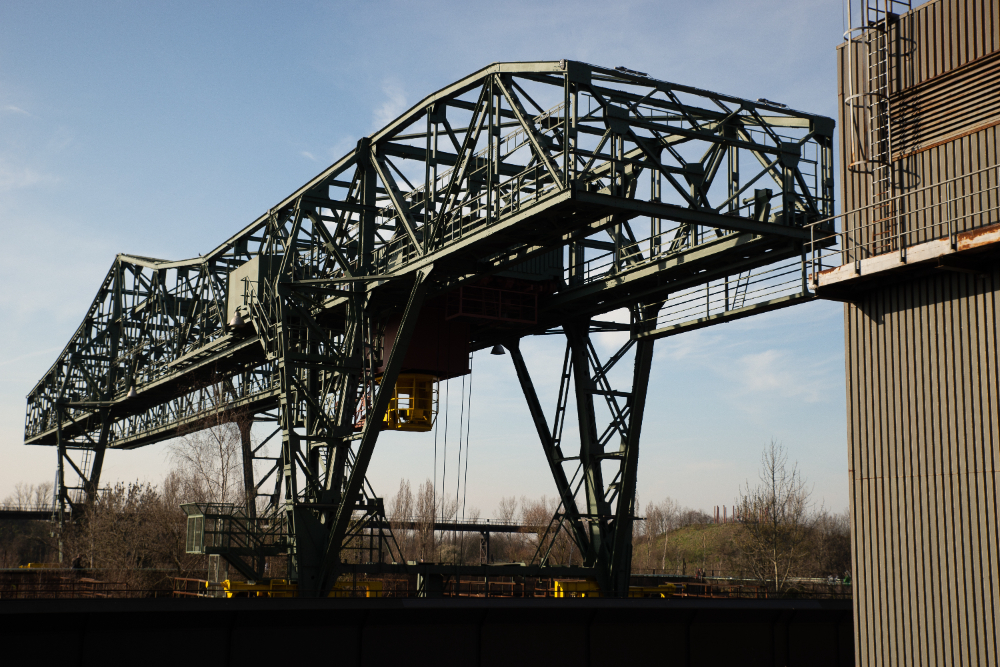
The term “Rust Belt” once conjured images of shuttered factories and declining industries. Yet today, many of these cities are rewriting their narratives, transforming economic challenges into opportunities for growth. By focusing on innovation, sustainability, and community empowerment, Rust Belt cities like Pittsburgh and Detroit are redefining their identities and attracting fresh waves of talent, tourism, and investment.
This shift isn’t just a local phenomenon; it’s a global case study in resilience.
Cities across Africa, with similar histories of industrial or resource-based economies, can learn valuable lessons from how the Rust Belt has turned its fortunes around. This article explores key strategies behind this transformation and their applicability worldwide.
Strategic Insight
Psychological Principle Applied: Reframing Decline as Opportunity
Rather than dwelling on the loss of traditional industries, Rust Belt cities have reframed their narratives around renewal and reinvention. This approach shifts focus from what was lost to what can be gained.
Why This Approach?
People are inspired by stories of transformation. When a city highlights its evolution, it becomes a symbol of hope and possibility—a magnet for dreamers, doers, and investors.
Key Stakeholders Involved:
- Local Governments: Spearhead initiatives to revitalize infrastructure and promote new industries.
- Community Organizations: Foster grassroots movements to support social inclusion and innovation.
- Private Sector: Invest in modern industries and provide job opportunities.
- Educational Institutions: Develop workforce skills aligned with emerging sectors.
Implementation
Specific Actions Taken by Rust Belt Cities:
- Pittsburgh, Pennsylvania:
- Transitioned from steel production to a focus on healthcare, robotics, and artificial intelligence.
- Partnered with Carnegie Mellon University to position itself as a leader in autonomous vehicle research.
- Detroit, Michigan:
- Leveraged its automotive heritage to pioneer electric vehicle innovation.
- Launched urban agriculture projects to reclaim vacant land and support local communities.
- Cleveland, Ohio:
- Focused on healthcare and biotechnology through institutions like the Cleveland Clinic.
- Promoted waterfront development to attract tourism and improve quality of life.
Key Steps for Success:
- Strategic Investments: Channel public and private funds into emerging sectors.
- Branding Campaigns: Emphasize transformation through targeted storytelling.
- Community Involvement: Engage residents in planning and executing renewal projects.
Timeline of Transformation:
- 1980s-1990s: Decline of traditional industries.
- 2000s: Early efforts to attract tech and healthcare investments.
- 2010-Present: Emergence as hubs for innovation and culture.
Results & Metrics

Quantifiable Outcomes:
- Pittsburgh’s tech sector now accounts for over 20% of its economy.
- Detroit saw a 30% increase in population in its revitalized downtown since 2010.
- Cleveland’s tourism revenue grew by 40% over a decade.
Social/Cultural Impact:
- Residents report higher satisfaction due to improved public spaces and job opportunities.
- Increased civic pride as cities shed negative stereotypes.
- Revitalized arts and cultural scenes draw young, creative talent.
Economic Benefits:
- Diversified economies reduce reliance on single industries.
- Creation of high-paying jobs in tech, healthcare, and green energy.
- Attraction of global investors and entrepreneurs.
Key Learnings
Transferable Insights:
- Don’t Abandon the Past: Build on historical strengths while embracing innovation.
- Invest in People: Workforce development is crucial for sustaining growth.
- Collaborate Widely: Public-private partnerships amplify resources and expertise.
Critical Success Factors:
- Visionary leadership that embraces change.
- Alignment between local government, businesses, and communities.
- Commitment to long-term strategies, even amid initial resistance.
Potential Pitfalls to Avoid:
- Over-reliance on a single emerging sector.
- Ignoring the needs and voices of local residents.
- Neglecting environmental sustainability in development plans.
Future Implications
Ongoing Developments:
- Increased focus on renewable energy and climate resilience.
- Expansion of public transportation to connect communities and reduce urban sprawl.
- Growth of coworking spaces and innovation hubs to support entrepreneurs.
Broader Industry Impact:








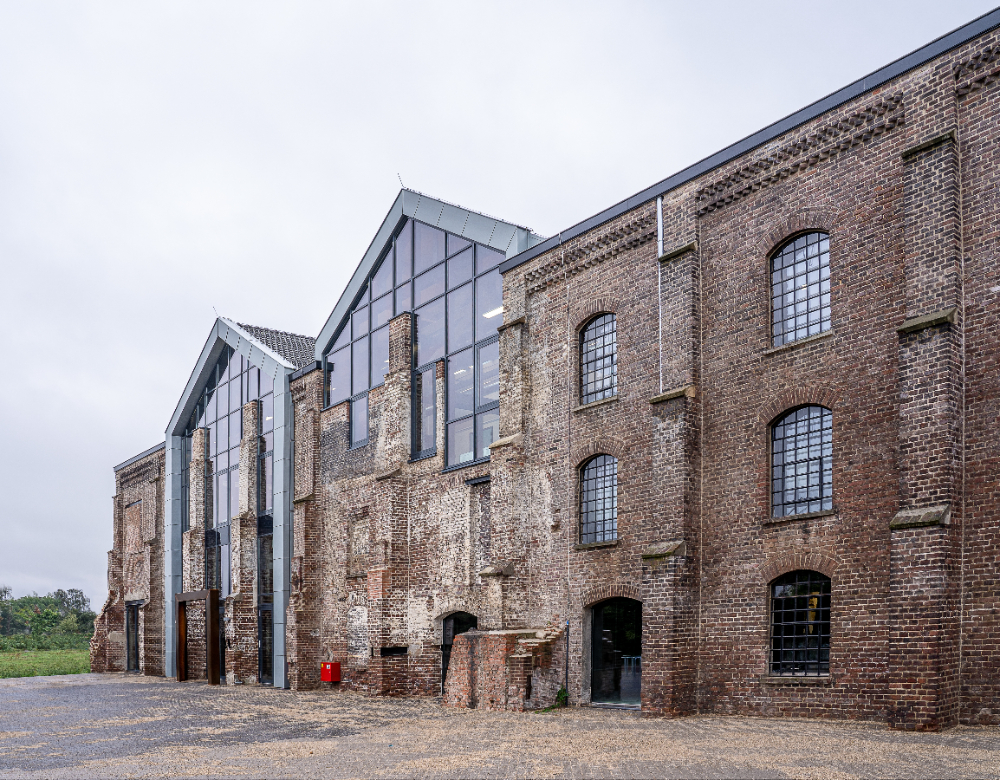
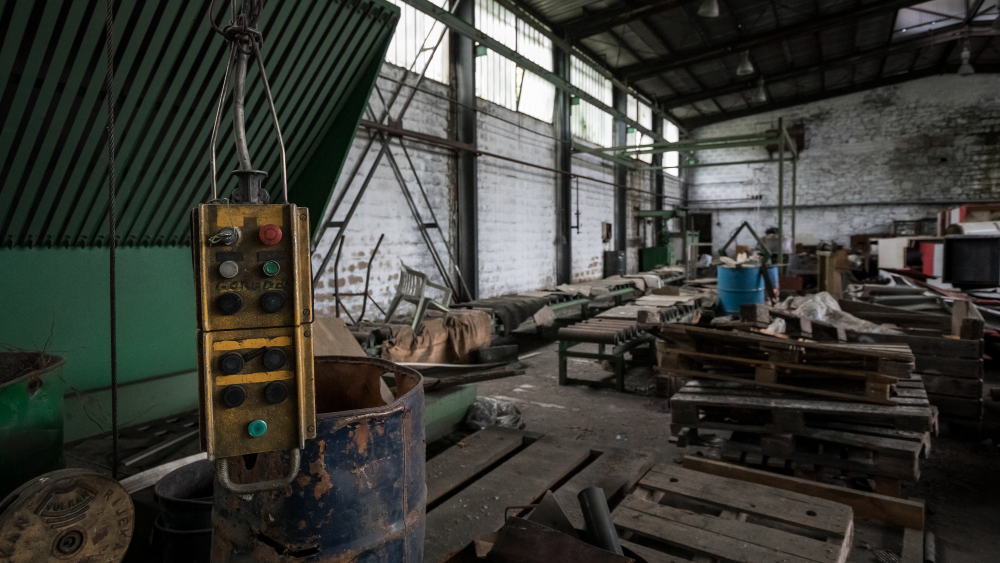
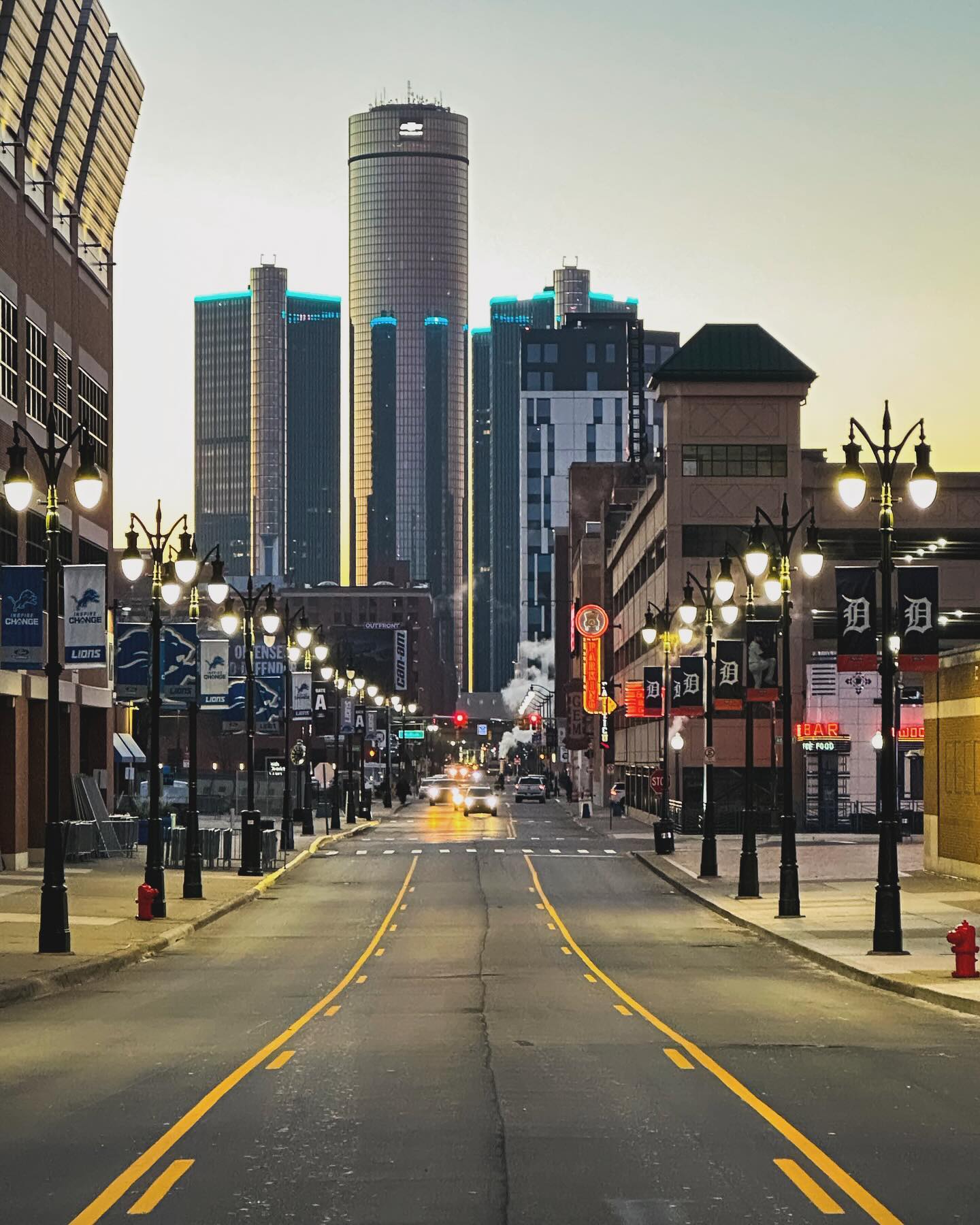

The Rust Belt’s revival demonstrates that economic decline is not destiny. Cities worldwide can draw inspiration from these strategies to overcome industrial stagnation and build sustainable futures. African cities, rich in culture and potential, are particularly well-positioned to adapt these lessons to their contexts.
How PDF Africa Can Help
At PDF Africa, we specialize in guiding cities through narrative transformations that resonate globally.
Using the Rust Belt’s success as a blueprint, we help destinations craft compelling stories and actionable strategies to attract investment, talent, and tourism.
Ready to turn challenges into opportunities?
Schedule a free discovery call with our experts today and begin your city’s transformation journey.