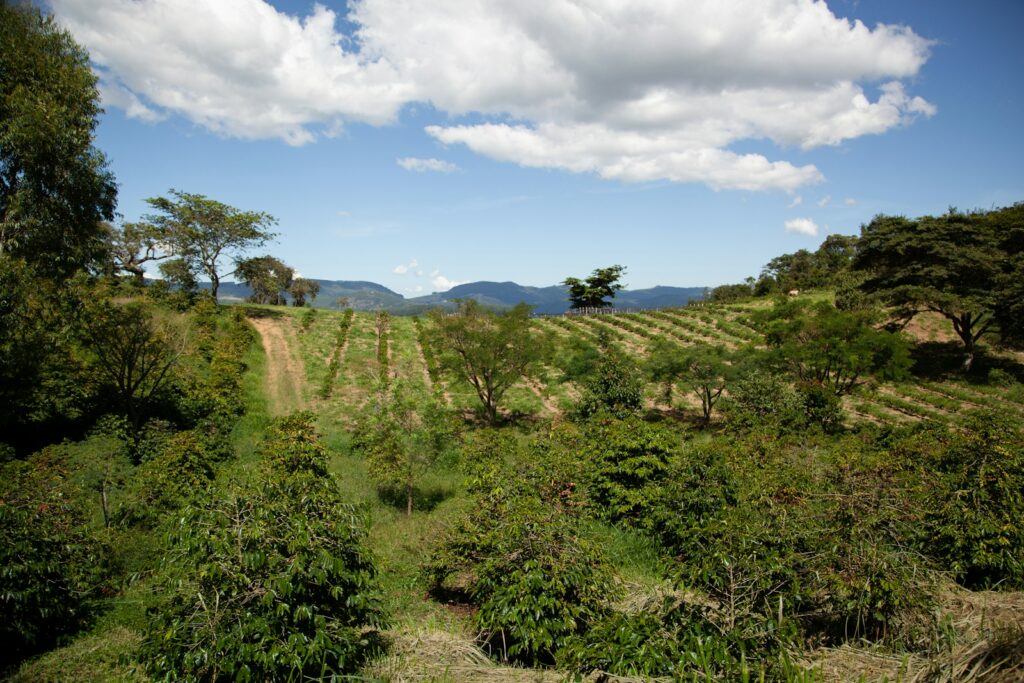
Master the soil requirements for successful Paulownia agroforestry. Learn about soil science, including pH levels, drainage, nutrients, and soil amendments that maximize tree growth and farm productivity.
Paulownia’s reputation as a ‘fast-growing wonder tree’ is only half true—it grows fast in the right soil conditions. In the wrong soil, it struggles like any other tree. Understanding soil science is the difference between success and disappointment.
Article Summary: Soil Science
- This technical guide explains soil requirements for Paulownia success in Kenyan conditions, drawing on EVF Paulownia’s research and field trials across multiple ecological landscapes.
- The article covers optimal pH ranges (5.5-7.5), drainage requirements (Paulownia hates waterlogging), texture preferences (loamy soils ideal), and nutrient needs (nitrogen, phosphorus, potassium ratios).
- It provides practical guidance on soil testing—both laboratory analysis and field assessment techniques.
- Special sections address soil amendments for common Kenyan soil types, organic matter management, and mycorrhizal inoculation benefits.
- The piece explains how to assess land suitability before planting, discusses soil depth requirements, and addresses salinity and compaction issues.
- Case studies show how farmers corrected soil problems to achieve better outcomes. Includes soil test interpretation guide and amendment recommendation tables.
Target Audience:
Farmers planning agroforestry projects, agricultural extension workers, soil scientists, county agricultural officers, nursery operators