

Why Sustainability & ESG Efforts Fail To Be Seen (In Logistics)
In the logistics sector, the “Visibility Gap” is the Invisibility of Efficiency.
When a logistics provider optimizes a route, switches to EV fleets, or implements AI-driven load pooling, the results are felt internally but rarely seen by the partner.
To a B2B client, these are “behind the scenes” technicalities.
Because the link between a lower carbon footprint and a more reliable, cost-effective supply chain isn’t explicitly published, the logistics provider remains a “commodity mover” rather than a “strategic partner.”
What Logistics Vertical Stakeholders Are Currently Doing (With Zero Results)
To prove their green credentials, logistics firms currently rely on:
- Raw Emissions Data: Sending clients spreadsheets of $CO_2$ savings that lack context and fail to show how those savings improve the client’s own business.
- Fleet Announcements: PR splashes about buying electric trucks that tell the market “we have the hardware” but nothing about “how we use it to help you.”
- Disconnected Sustainability Reports: Yearly PDFs that are too slow and too broad to influence a real-time procurement decision.
The Result: “The Value Disconnect.” Partners see the sustainability effort as an added cost or a “nice-to-have,” rather than a driver of speed, trust, and cost control.
What GreenDeveX Brand Publishing Strategy Does Differently
GreenDeveX turns “Moving Goods” into “Moving Value.” We move beyond “Emissions Tracking” and focus on “Competitive Reliability.”
Our strategy involves:
Who Should Care to Read This Case Study & Act
The Proof: Why Brand Publishing Matters
In 2026 and beyond, “Visibility Drives Contracts.”
Logistics platforms that publish their “Green Velocity” stories see a 22% increase in contract retention.
When a client sees that a “Green” route is also the “Fastest and Most Transparent” route, the sustainability premium is no longer a cost—it is a competitive necessity.
Case Study: The Green Velocity

Tying Logistics Transformation to the Bottom Line
Context: Beyond 2026, the logistics industry is under a dual squeeze: rising carbon taxes and increased demand for “instant” delivery.
For a regional 3PL (Third-Party Logistics) provider, the challenge was “Silent Optimization.” They had successfully lowered their fleet emissions by 30%, but their clients still viewed them as a “budget courier.”
This case study demonstrates how GreenDeveX Brand Publishing bridged the “Visibility Gap” by tying Logistics Change to Cost, Speed, and Trust, transforming a commodity mover into a Strategic Growth Engine.
The Crisis of the Commodity Mover: The Invisible Lead Time
In the hyper-competitive market of 2026, logistics is often a “race to the bottom” on price. Our subject, a mid-tier logistics firm, had invested heavily in a decentralized “Smart Hub” system and a 100% electric last-mile fleet.
The Visibility Gap was a failure of Commercial Translation.
The firm was telling its partners, “We are green.” The partners were hearing, “We are expensive.”
Because the firm wasn’t publishing the business impact of their sustainability—such as how AI-route optimization reduced “deadhead” miles and lowered fuel surcharges for the client—they were losing contracts to legacy firms with older, more polluting, but “perceived-to-be-cheaper” fleets.
The Stakeholder Trap: Why Fleet Announcements Aren’t Enough
The firm attempted to solve this by focusing on “Hardware PR.” They posted photos of their new electric vans on LinkedIn and sent out emails about their “Commitment to 2030.”
This was a “Zero Result” strategy. In 2026, hardware is accessible to anyone with capital. What clients actually care about is Performance Integrity. An electric truck that is stuck in traffic or half-empty is still an inefficiency.
By focusing on the vehicle instead of the velocity, the firm was failing to show the Customer Impact. They were missing the link between “Green” and “Reliable.”
The GreenDeveX Intervention: Publishing the “Efficiency Dividend”
GreenDeveX moved to shift the narrative from “What we drive” to “How we deliver value.” We deployed a strategy in Circular Systems Quarterly that focused on “Business Linkage.”
1. Publishing the “Lead-Time Ledger”
By publishing this on a high-authority platform, we gave the firm’s sales team a “Performance Asset.” They could now prove to B2B clients that choosing a green provider wasn’t a “sacrifice” for the planet; it was a boost for their own customer satisfaction.
2. The “Transparency Loop” for Investors
The Mechanics of Success: Tying Change to Trust
The GreenDeveX methodology for the logistics sector is built on Operational Validation.
The Result: From Courier to Consultant
The impact of this brand publishing strategy was a complete shift in how the firm was perceived in the market.
Within 24 months:
Why Brand Publishing Matters for Manufacturing in 2026
In the 2026 economy, “Logistics is the Brand.” In an era of e-commerce, the delivery person is often the only physical touchpoint a customer has with a brand. If that touchpoint is inefficient or opaque, the brand suffers.
Brand publishing is the tool that turns the “invisible” work of logistics into a visible trust asset. It ensures that when a package arrives, the story of its journey—one of speed, cost-control, and planetary care—arrives with it. It takes the “moving parts” of the supply chain and turns them into a citable record of integrity.
The Proof: The Logic of the Green Velocity
The most successful logistics firms of this decade—from the micro-mobility startups of Paris to the global freight giants—are those that have mastered the “Efficiency Narrative.”
They don’t just move boxes; they publish the logic of the move.
Brand publishing matters because it proves that Sustainable Logistics is not a cost of doing business—it is the engine of business growth.
The Call to Action for Supply Chain Leaders
The “Visibility Gap” is the only thing preventing logistics from being recognized as the hero of the sustainable transition. If your efficiency is silent, it is unvalued.
At GreenDeveX, we believe that the people who move the world are the people who will save it. But a move that isn’t published is a move that isn’t seen. If you are a B2B client, a fleet sponsor, or a logistics leader, you are sitting on the “Velocity Data” that the market is starving for. It is time to publish it.
Is your logistics efficiency a hidden technicality or a published competitive advantage?
How to Contribute to the Circular Systems Quarterly Magazine
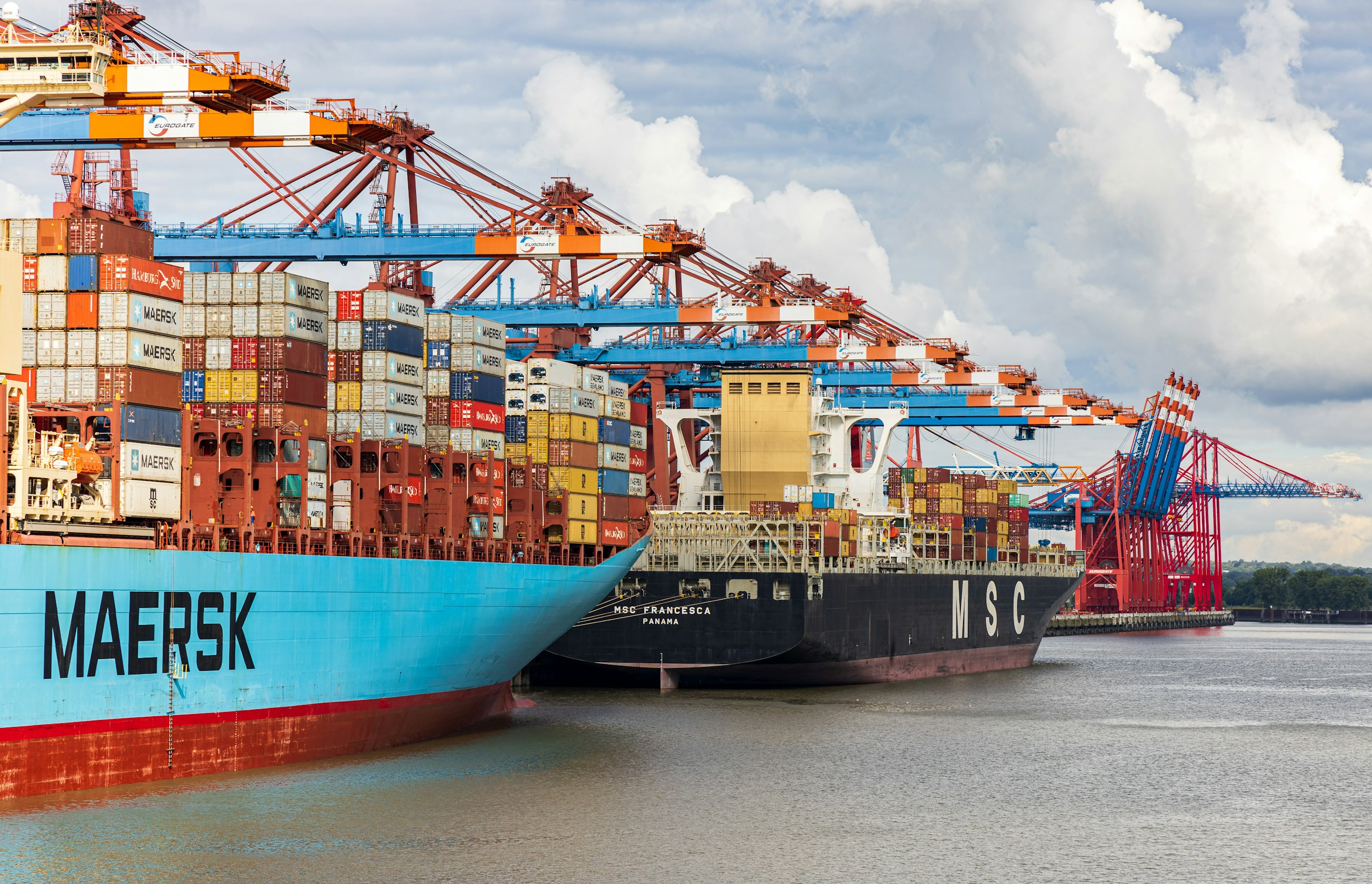
The transition from “Delivery Service” to “Strategic Partner” begins when you stop reporting emissions and start publishing your value.
We invite you to join Circular Systems Quarterly.
Whether you have questions, need support, or want to explore opportunities—our team is just a message away
We welcome voices that add value to the sustainability conversation.
Address
137 Farah Close, Karen, Nairobi
Phone
(254) 798 386 137
partnership@greendevex.com
What You May Submit:
- Opinion pieces
- Research-backed articles
- Country or county case studies
- Field stories
- Interviews
- Policy insights
Submit an Article
Our editorial team reviews each submission and works with authors to refine the piece.