
By creatively addressing challenges such as size, remoteness, or limited resources, destinations can craft compelling narratives that resonate with travelers. These hacks focus on turning obstacles into opportunities, making destinations more appealing and relatable.

Symptoms of this Problem
- Visitors perceive the destination as too small or insignificant.
- Limited infrastructure or resources make it hard to compete with larger destinations.
- Remote location discourages travelers due to accessibility concerns.
Destination Brands Leveraging Psychological Hacks

Bhutan:
Bhutan turned its small size and limited accessibility into a strength by marketing itself as an exclusive, sustainable destination. Its “Gross National Happiness” philosophy became a unique selling point, attracting eco-conscious travelers.
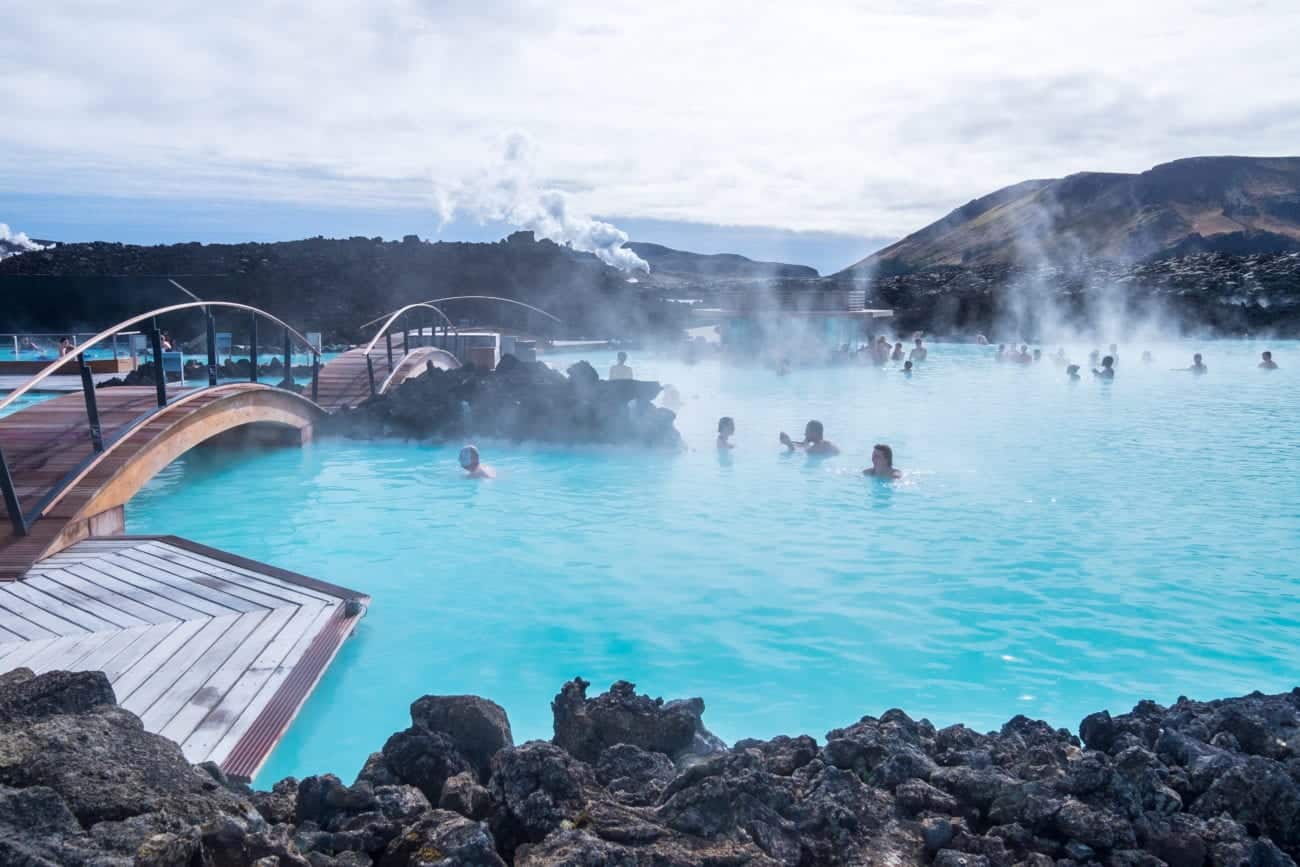
Iceland:
Iceland leveraged its remote location and harsh climate to position itself as a destination for adventure seekers and nature lovers. The “Inspired by Iceland” campaign reframed its challenges as opportunities for unique experiences.

Rwanda:
After facing significant challenges, Rwanda rebranded itself as a safe, eco-friendly destination. Its small size was marketed as an advantage for intimate, curated experiences like gorilla trekking.
Want to empower your destination’s appeal?
At PDF Africa, we specialize in turning your challenges into opportunities. Whether it’s a small size, limited resources, or a remote location, we’ll help you reframe these as unique selling points that attract visitors and investors.
Let us show you how to make your destination’s “weaknesses” its greatest strengths.
Explore More Curated Case Studies
Discover exemplary success stories of destination brands that have been transformed using psychological hacks that we highly recommend for places that struggle to stand out due limitations like being small, limited resources and remoteness.
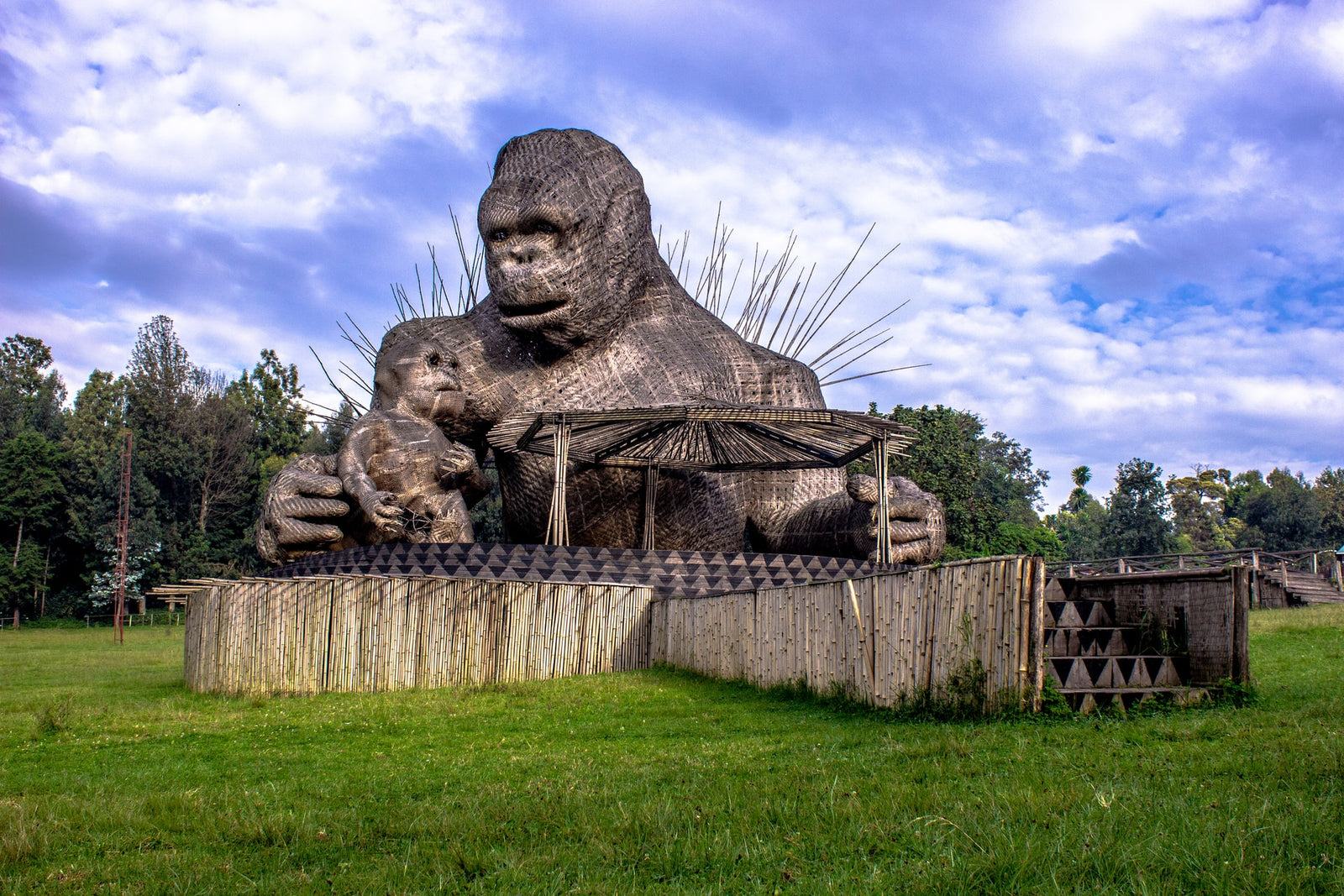
Rwanda’s Remarkable Rebirth: From Genocide to a Model of Reconciliation and Progress