
Iceland is using scarcity to preserve its natural beauty and attract high-value tourists. Learn how this strategy is redefining tourism.
When most destinations aim to attract as many visitors as possible, Iceland is taking a different route—literally. This Nordic island nation has turned scarcity into a tool for protecting its natural beauty and redefining tourism. By limiting access and focusing on exclusivity, Iceland is building a sustainable, high-value tourism brand.
Let’s delve into the inner workings of this scarcity and exclusivity positioning strategy.
The Foundations of Scarcity and Exclusivity in Place Branding
Scarcity is a timeless principle in branding. When something is rare or limited, it becomes more desirable. Iceland’s tourism strategy applies this principle to its breathtaking landscapes, creating an allure that not only attracts travelers but also ensures the longevity of its natural treasures.
The shift toward scarcity isn’t accidental. It’s a response to two key challenges: overtourism and the need for sustainable economic growth.
Between 2010 and 2019, Iceland’s tourism numbers skyrocketed, with the annual influx of visitors outnumbering the population by more than five times. While this was a boon for the economy, it put immense pressure on the environment and infrastructure.
The solution? Emphasize exclusivity and protect what makes Iceland unique.
Iceland’s Strategic Pillars for Scarcity Branding
1. Controlled Access to Natural Attractions
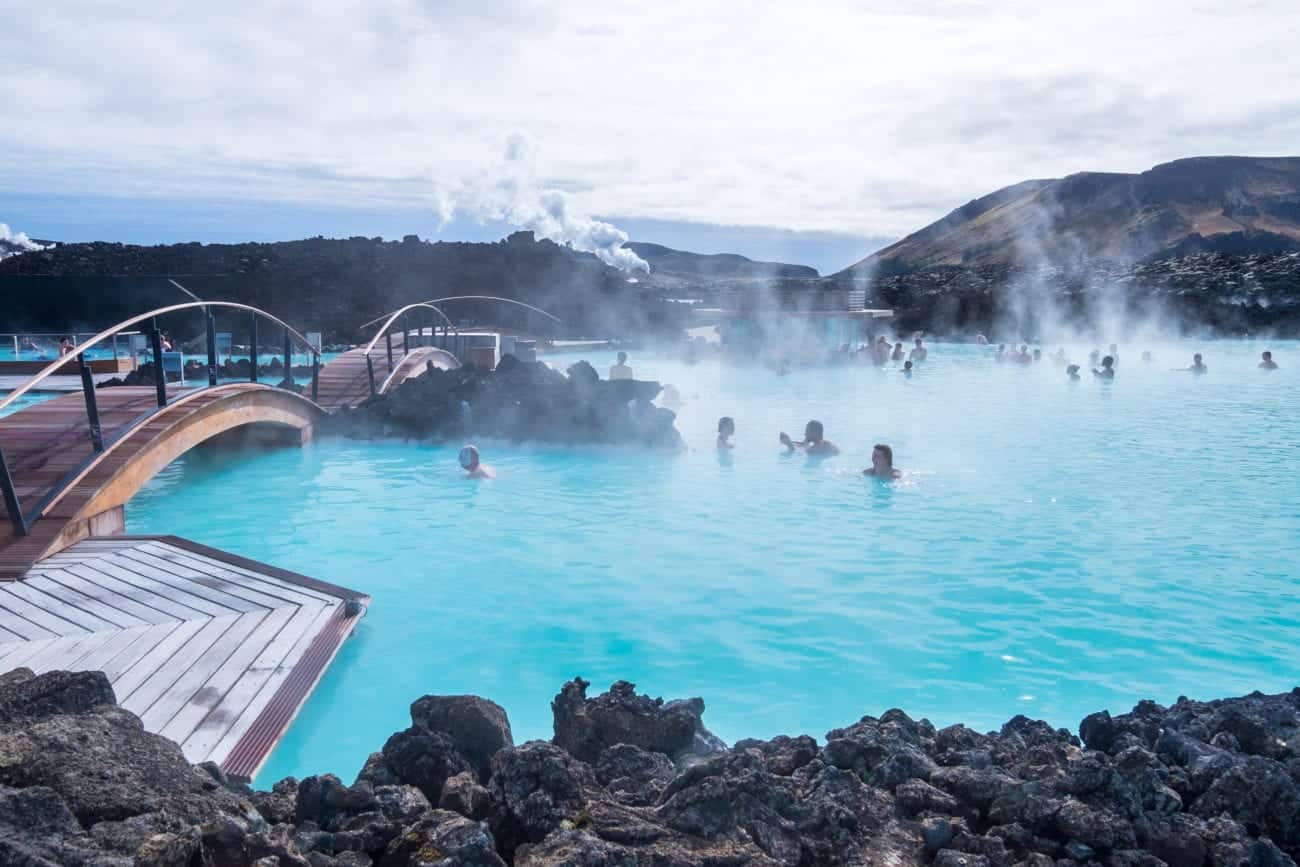
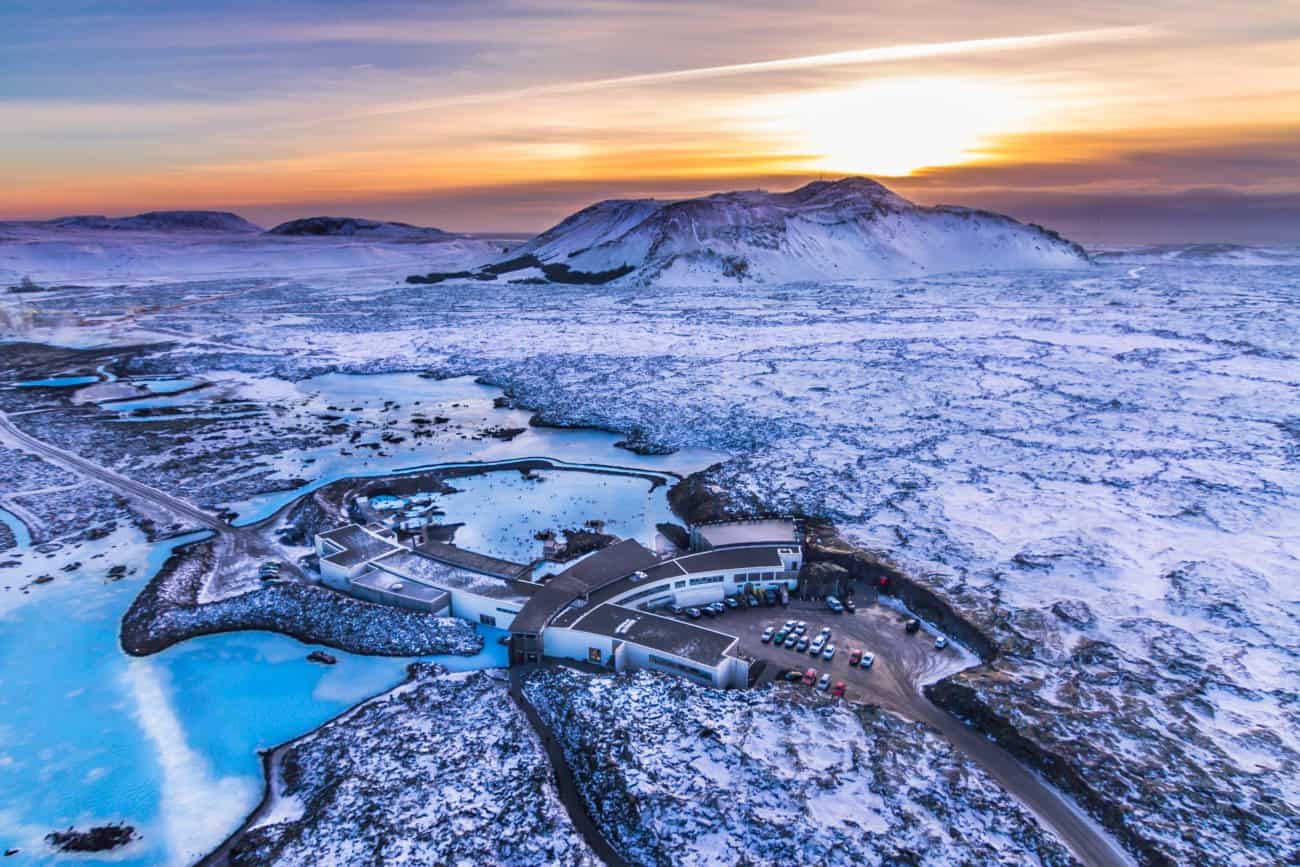
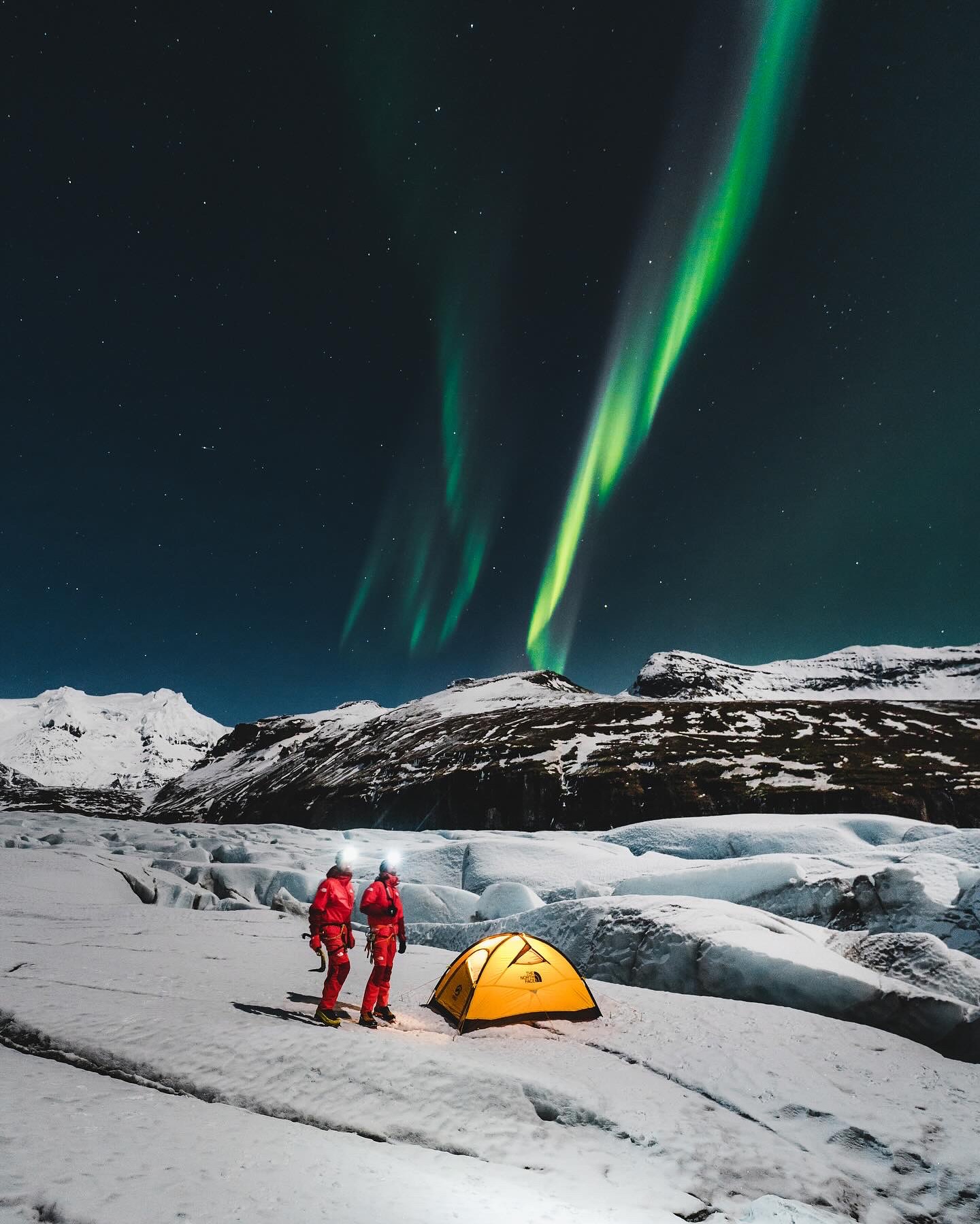
Iceland has started regulating visitor access to some of its most iconic sites, like the Blue Lagoon, Þingvellir National Park, and the Northern Lights hotspots.
Through timed ticketing, capped daily entries, and advanced booking systems, the country is creating an environment where fewer visitors equate to more premium experiences.
For instance, the Blue Lagoon operates with strict capacity limits.
Tickets must be purchased in advance, and prices fluctuate based on demand, reinforcing the idea that this is not just a spa, but a world-class luxury experience.
2. Focus on High-Value Tourists
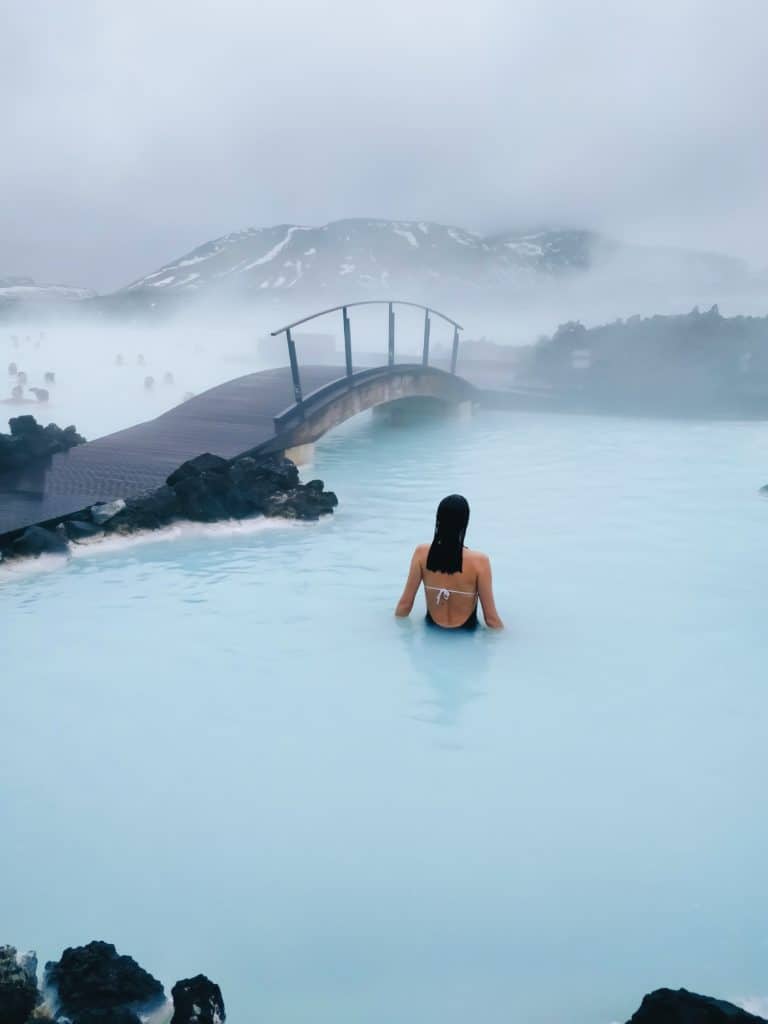
Iceland isn’t marketing itself as a budget destination. Instead, it’s targeting high-value tourists—individuals willing to spend more for an exceptional and authentic experience.
By appealing to travelers who value exclusivity and are more likely to contribute to local economies, Iceland generates more revenue with fewer visitors.
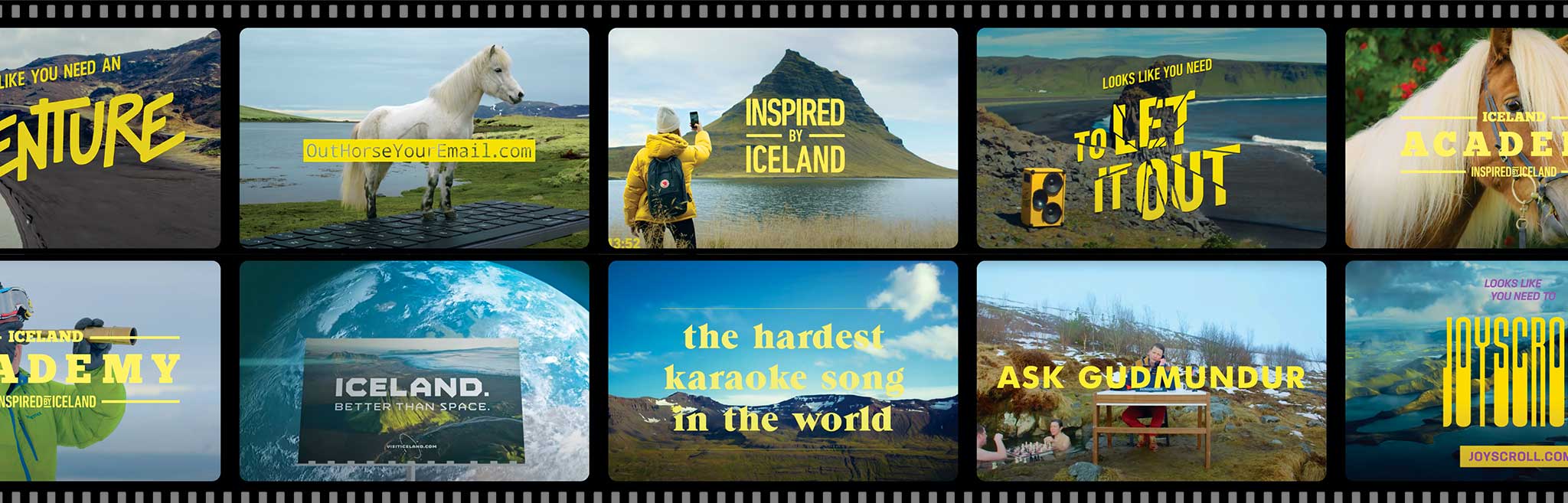
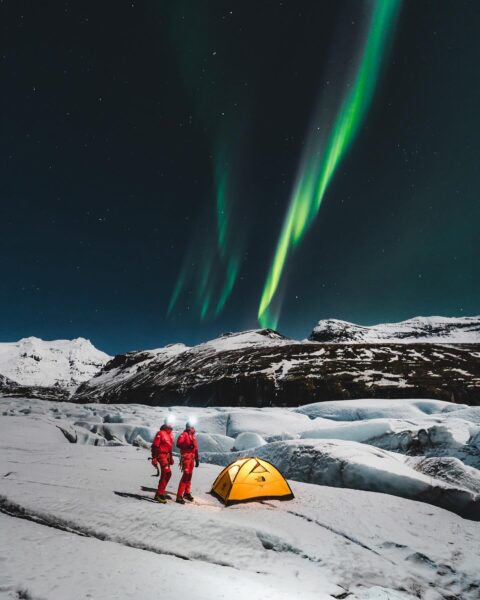
This is evident in campaigns like “Inspired by Iceland,” which highlights unique experiences such as private glacier hikes, small-group whale-watching tours, and boutique farm-to-table dining. These premium offerings resonate with affluent travelers looking for more than just a selfie backdrop.
3. Leveraging Iceland’s Fragile Ecosystem as a Selling Point
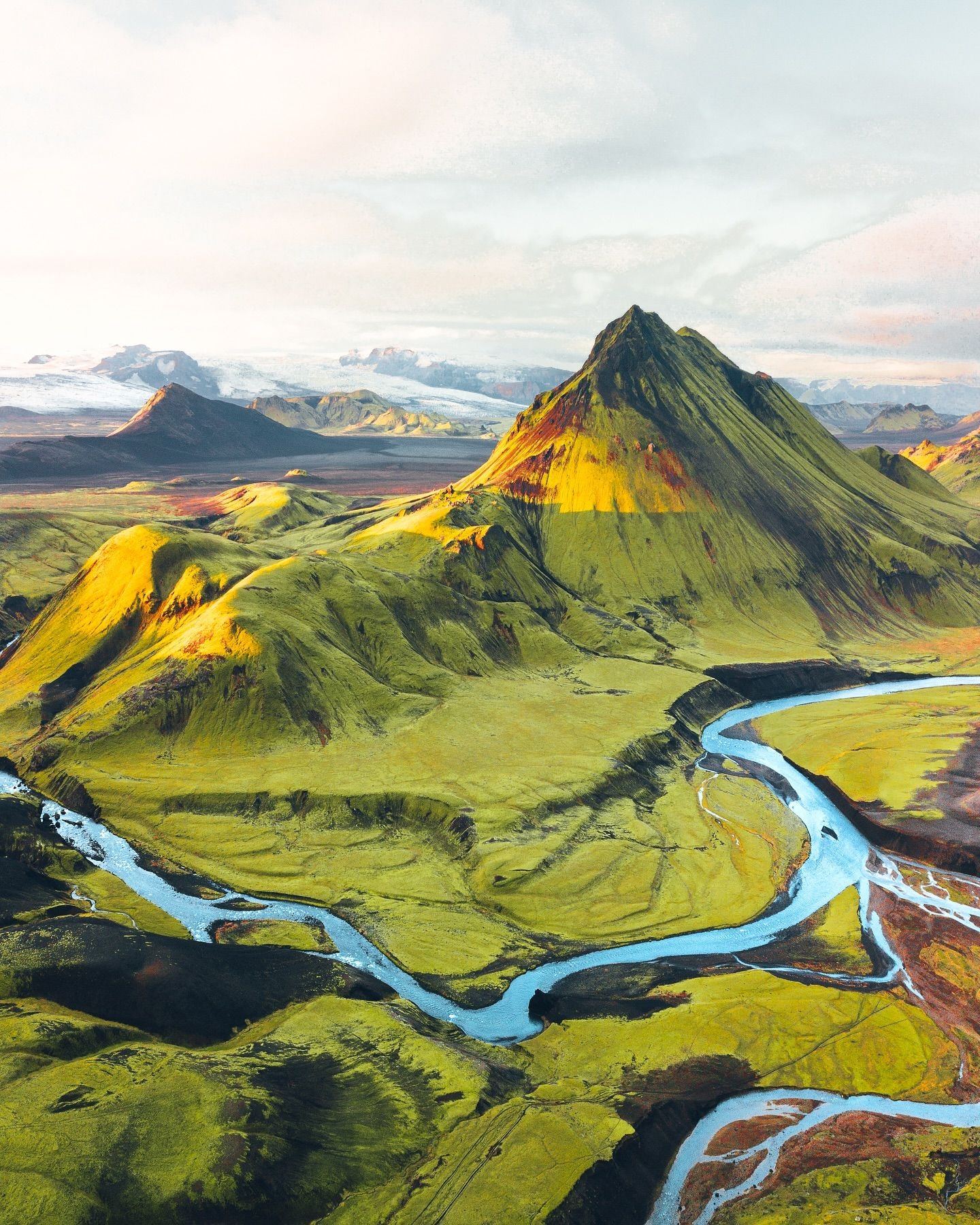
Rather than hiding the fragility of its environment, Iceland uses it as a selling point.
Messaging emphasizes the need to “leave no trace” and positions the destination as a privilege to visit, not a right.
Campaigns educate visitors about responsible tourism while subtly reinforcing the scarcity narrative.
Iceland’s pledge initiative, where tourists commit to protecting the environment, is both a branding tool and a practical mechanism for behavior change.
Narrative Transformation Hack: Reframing Iceland’s Brand
At the heart of Iceland’s strategy is a narrative transformation. Instead of focusing solely on what Iceland offers, the brand tells a story about why access is limited. The scarcity isn’t positioned as a limitation but as an essential part of the experience.
Consider how the narrative shifts:
- Traditional Tourism Pitch: “Come explore Iceland’s beautiful landscapes.”
- Scarcity Branding Pitch: “Discover Iceland’s untouched beauty—a privilege reserved for those who respect it.”
This subtle yet powerful repositioning elevates the value of the destination and aligns with the growing global trend toward sustainable and meaningful travel.
Results and Impact
Iceland’s scarcity strategy has yielded significant results:
- Higher Spend Per Visitor: While overall visitor numbers have stabilized or decreased, revenue per tourist has increased, proving that exclusivity drives spending.
- Environmental Preservation: Limiting access has reduced strain on popular sites, allowing ecosystems to recover and thrive.
- Global Recognition: Iceland is now seen as a leader in sustainable tourism, further bolstering its brand reputation.
These outcomes demonstrate that prioritizing quality over quantity is not just ethical—it’s economically viable.
Lessons for Other Destinations
Iceland’s success offers a playbook for other destinations grappling with overtourism or environmental degradation. Here are three takeaways:
1. Know Your Unique Selling Points (USPs)
Identify what sets your destination apart and make it central to your branding. For Iceland, it’s the untouched wilderness and the sense of exclusivity.
2. Don’t Be Afraid to Limit Access
Limiting access can feel counterintuitive in tourism, but scarcity can enhance value. By regulating visitor numbers, you create a more memorable and impactful experience.
3. Align Messaging with Values
Your branding narrative should reflect your destination’s core values. Iceland’s emphasis on environmental stewardship resonates deeply with eco-conscious travelers.
Challenges and Future Opportunities
While Iceland’s scarcity strategy is largely successful, it isn’t without challenges. Some critics argue that exclusivity can alienate budget travelers or contribute to elitism in tourism. Addressing these concerns will require continued innovation, such as offering tiered experiences or creating off-season incentives.
Looking ahead, Iceland could expand its approach by promoting lesser-known regions. By distributing visitors more evenly across the country, the brand can maintain scarcity at flagship sites while increasing tourism benefits for underrepresented areas.
Iceland’s Blueprint for Sustainable Tourism

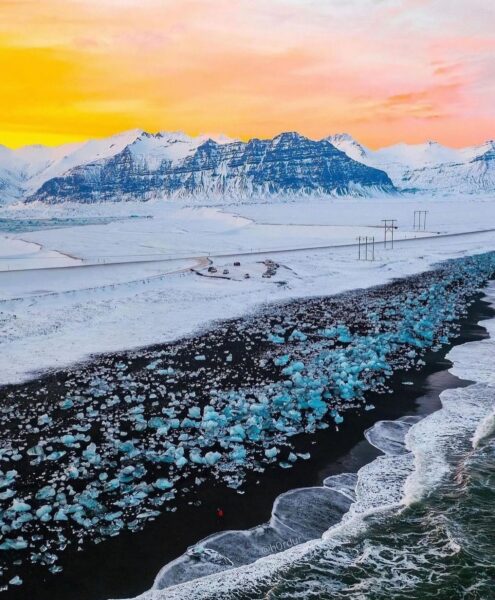


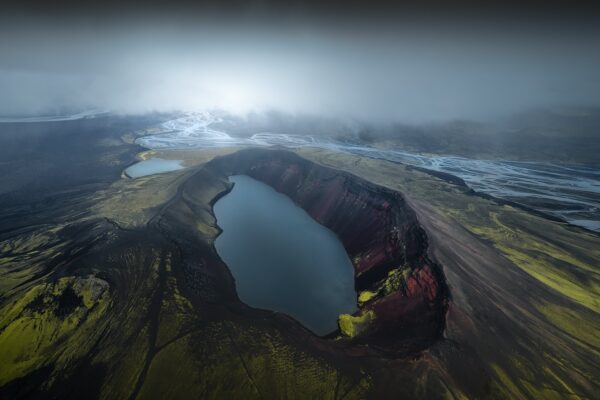


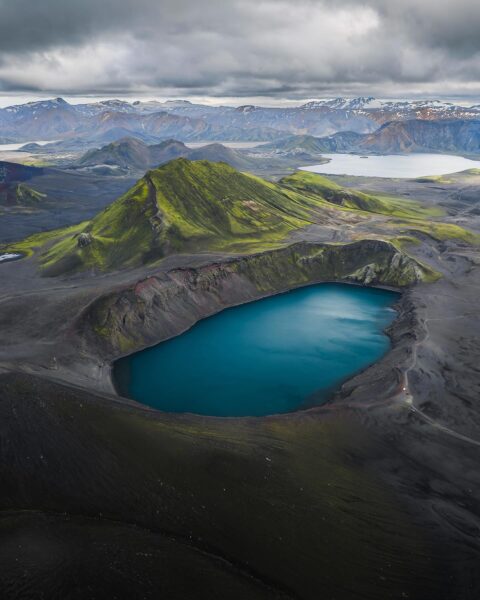
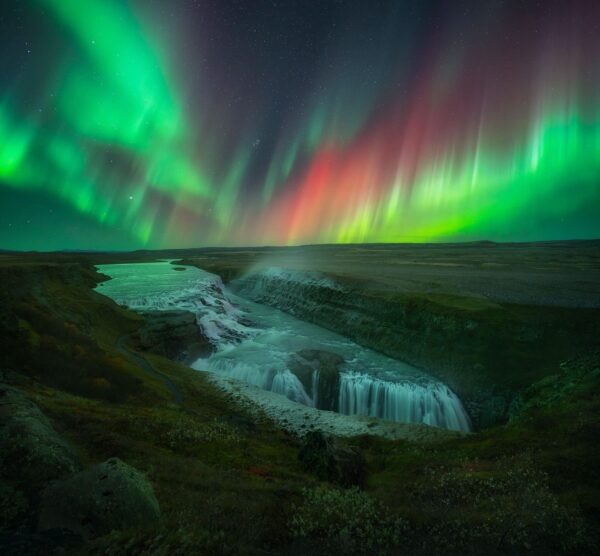
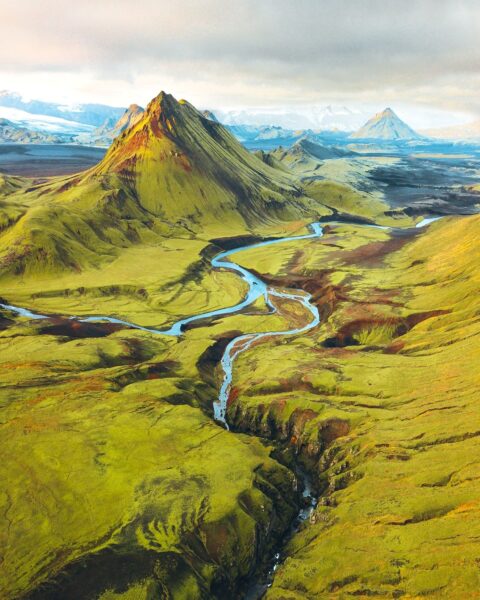

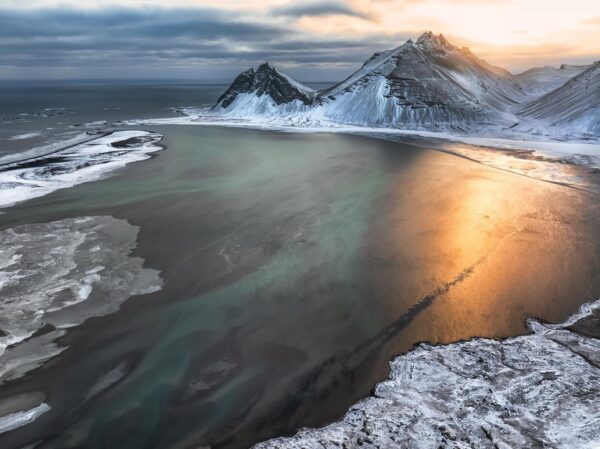
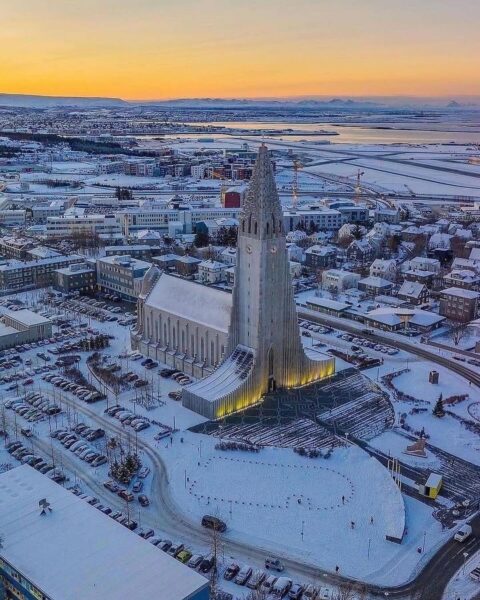
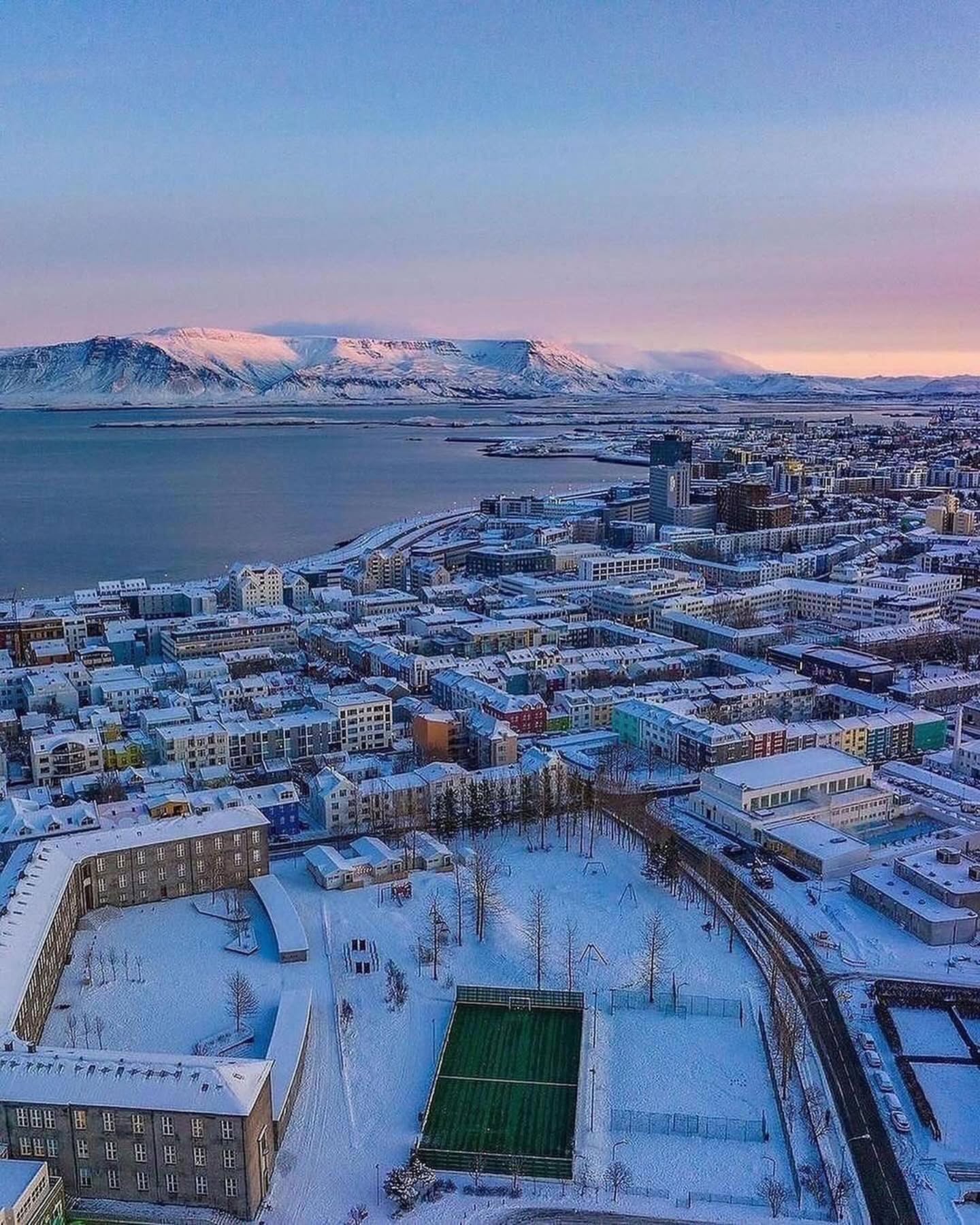
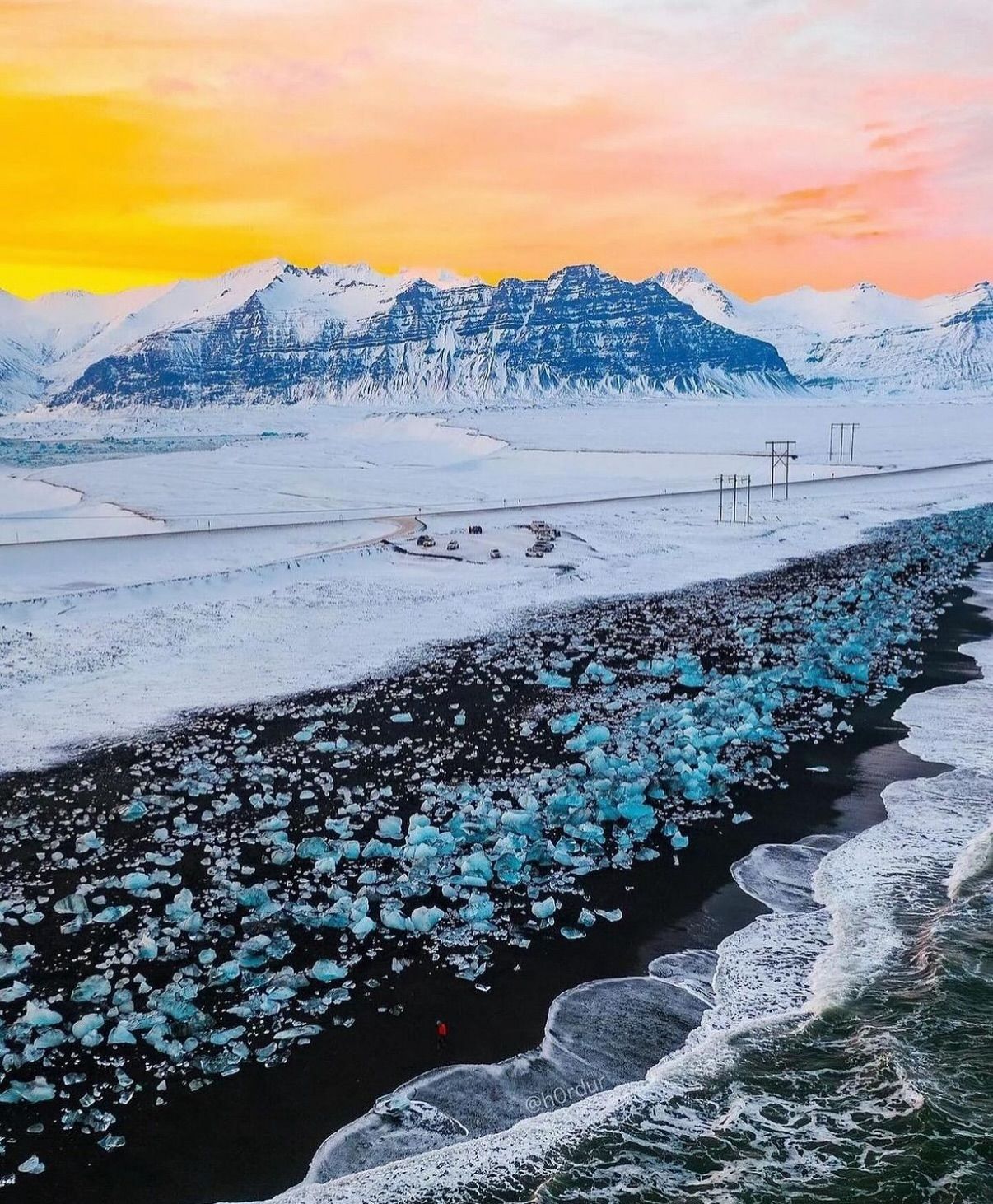

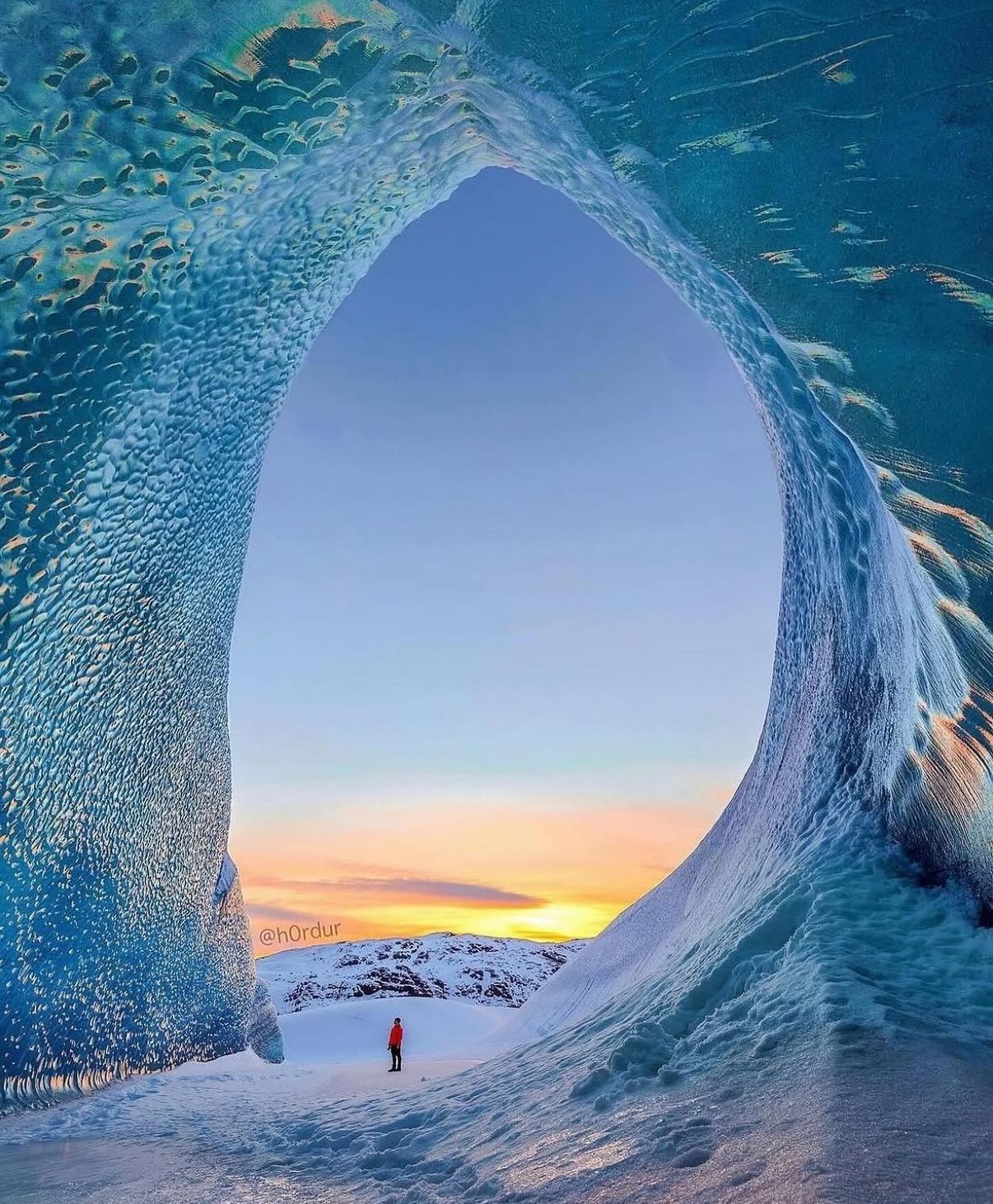
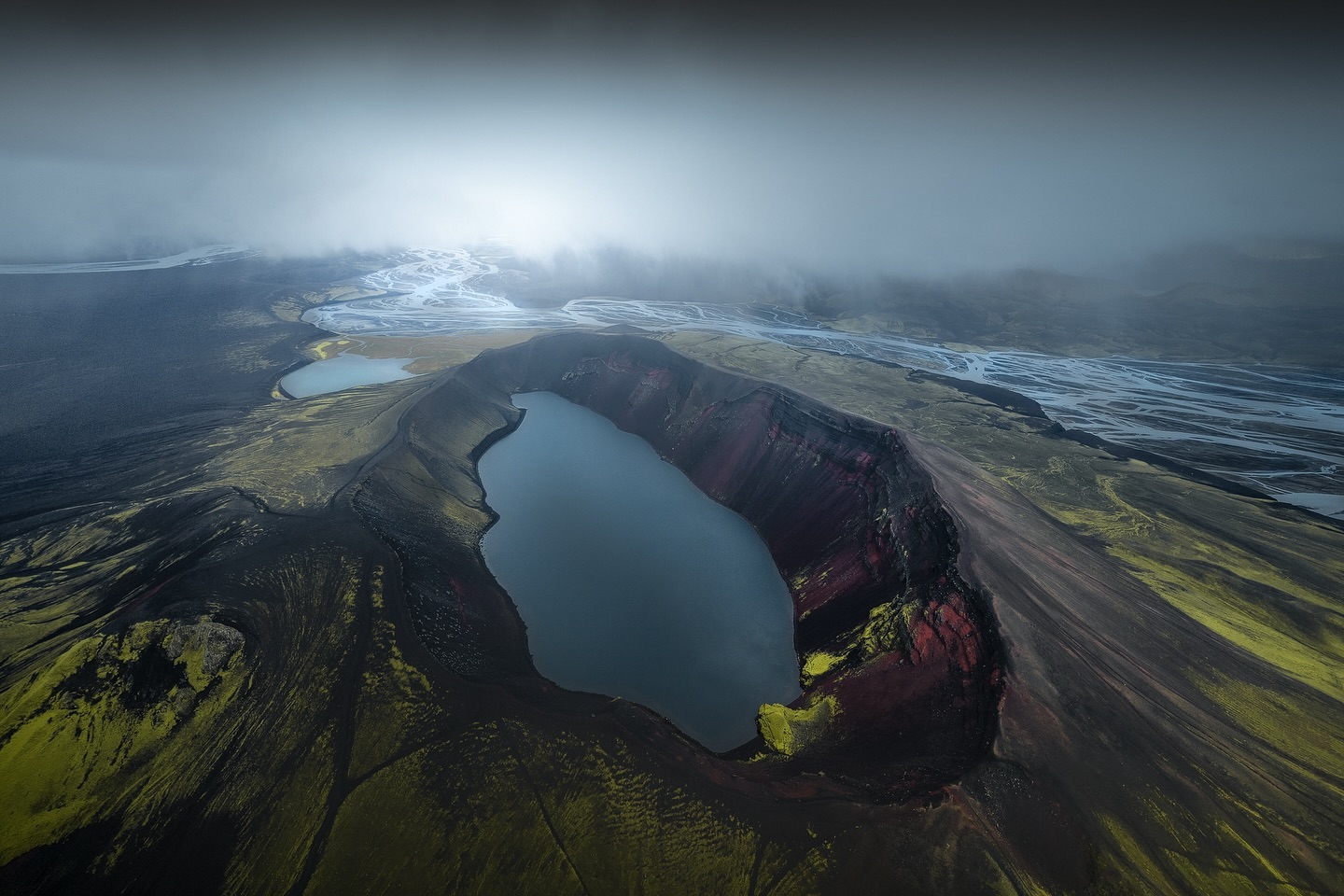
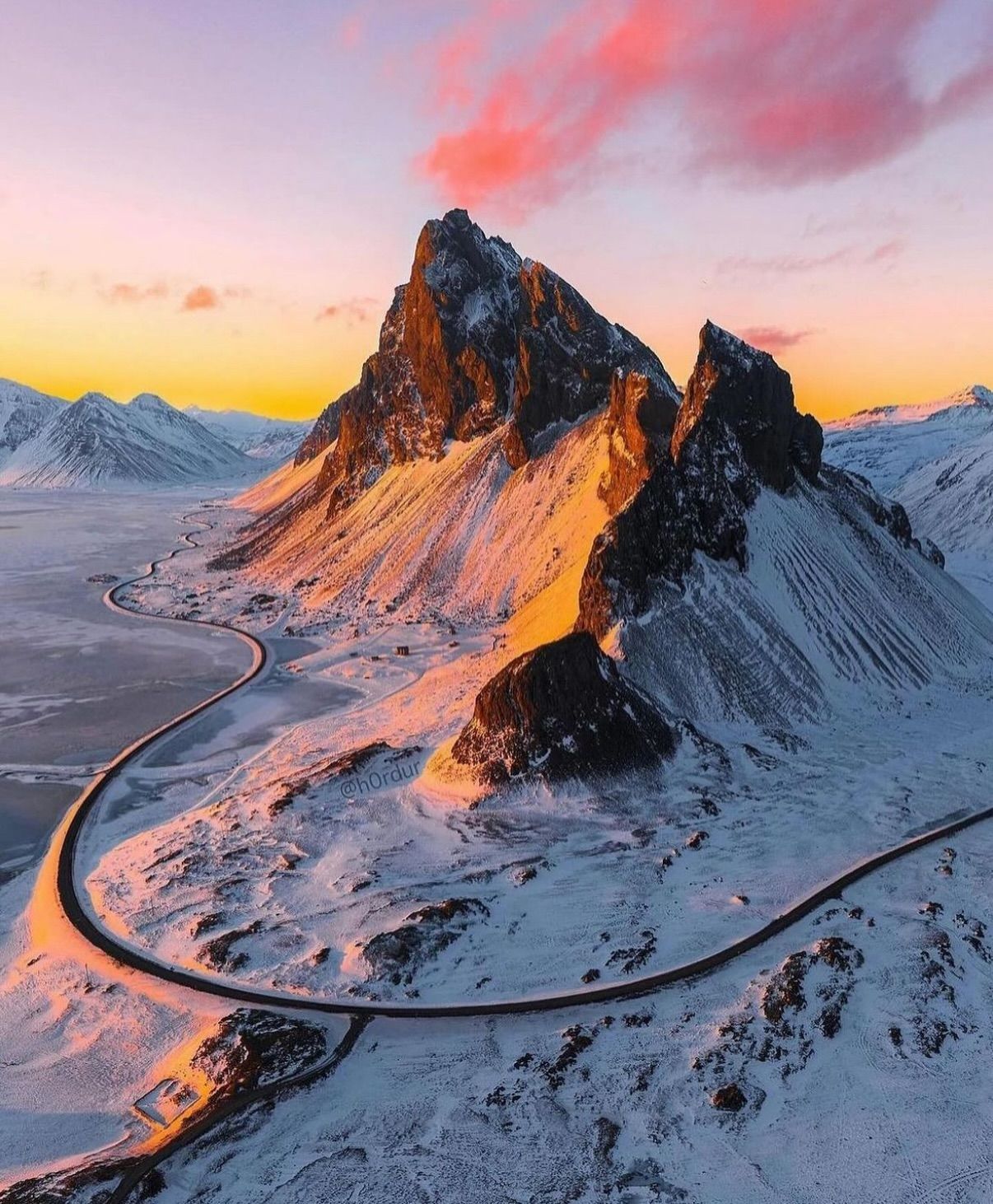
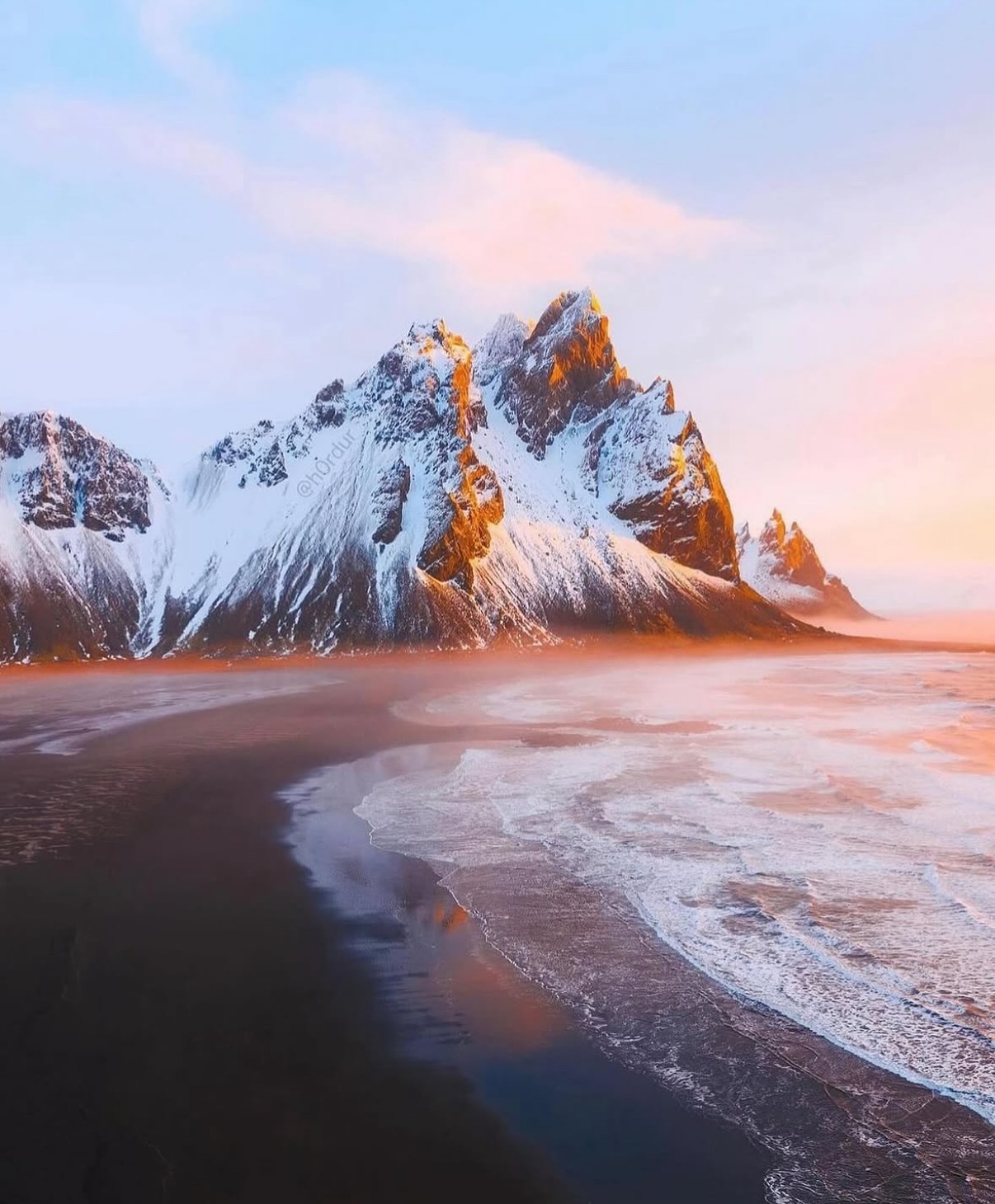
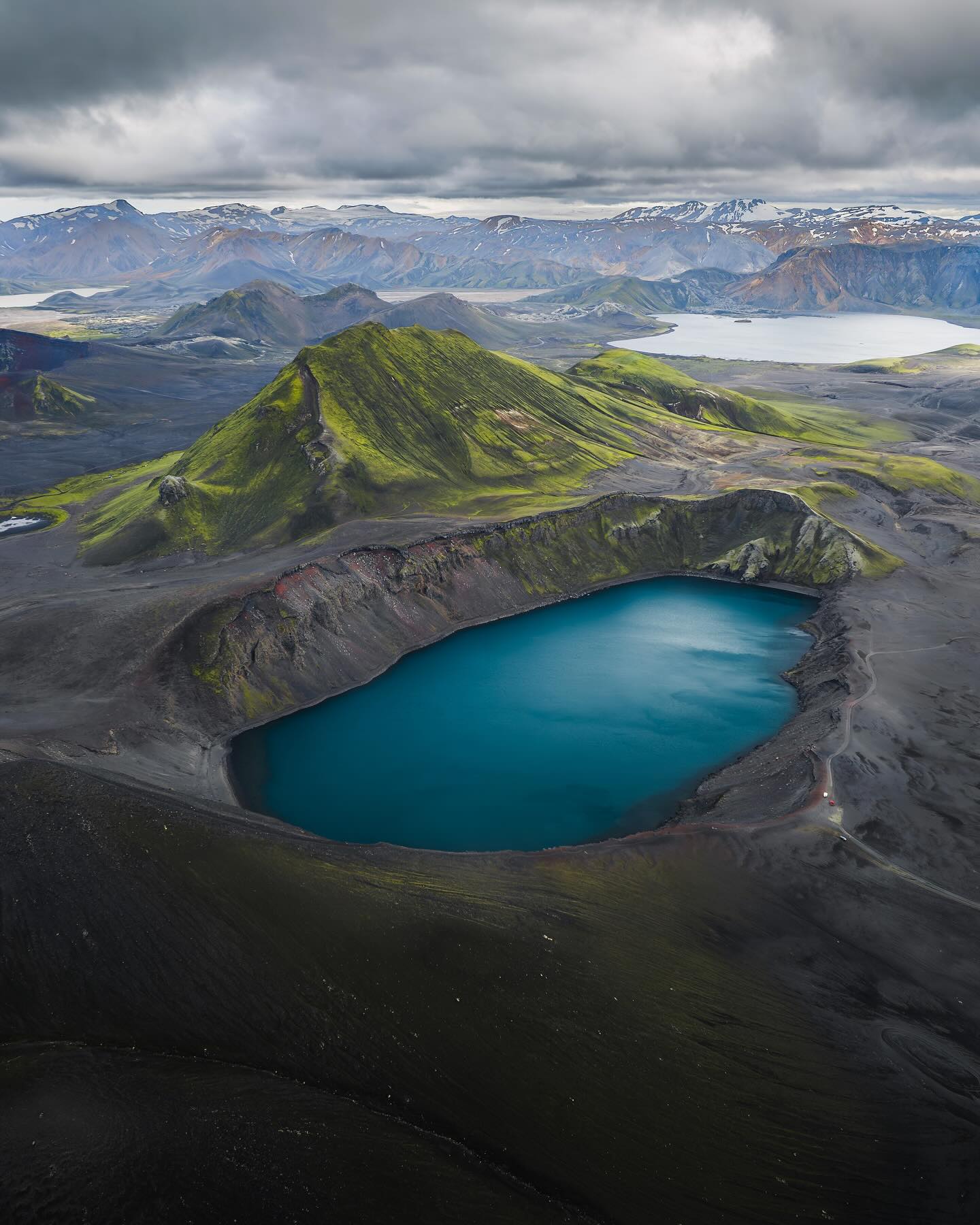
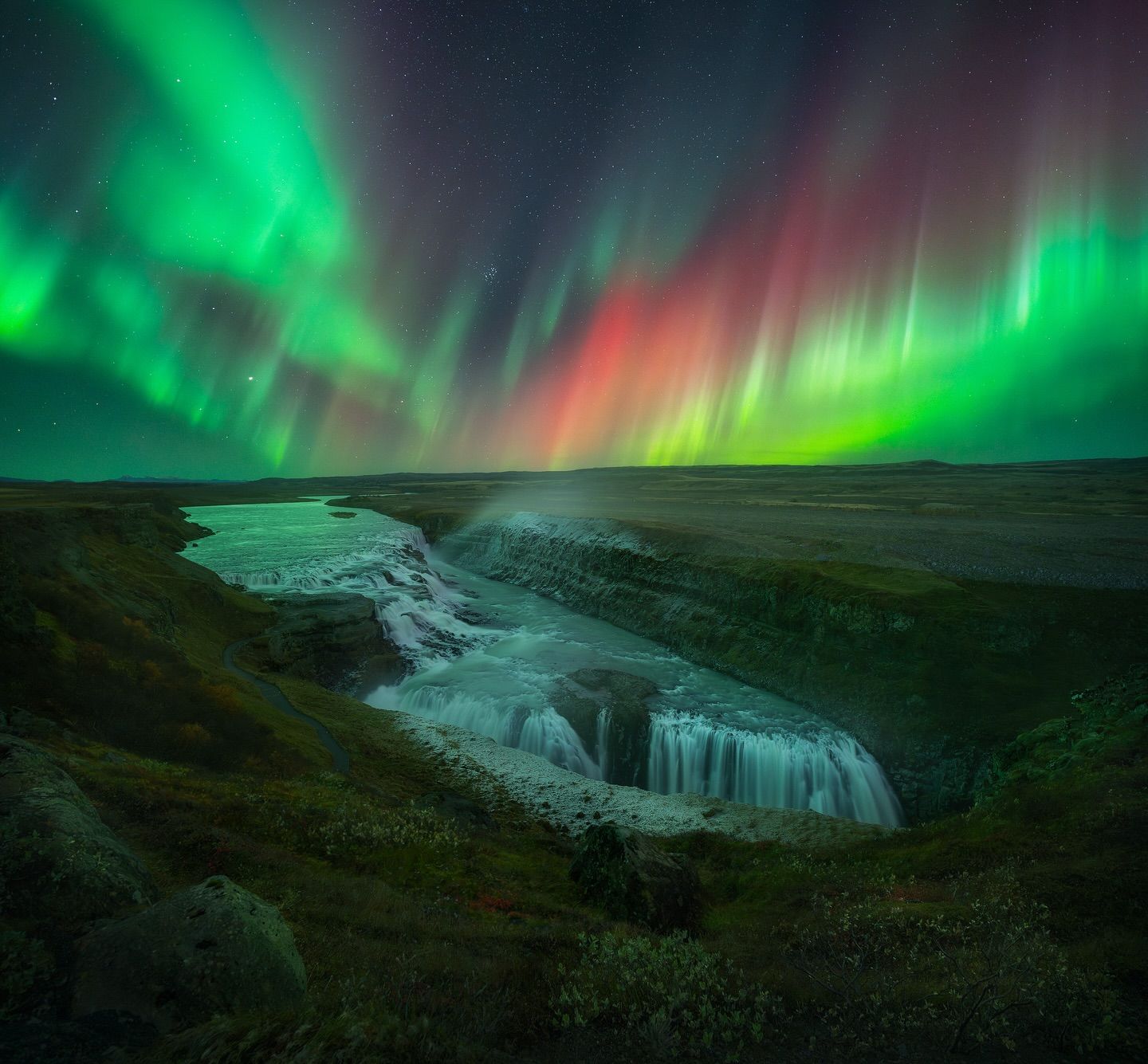
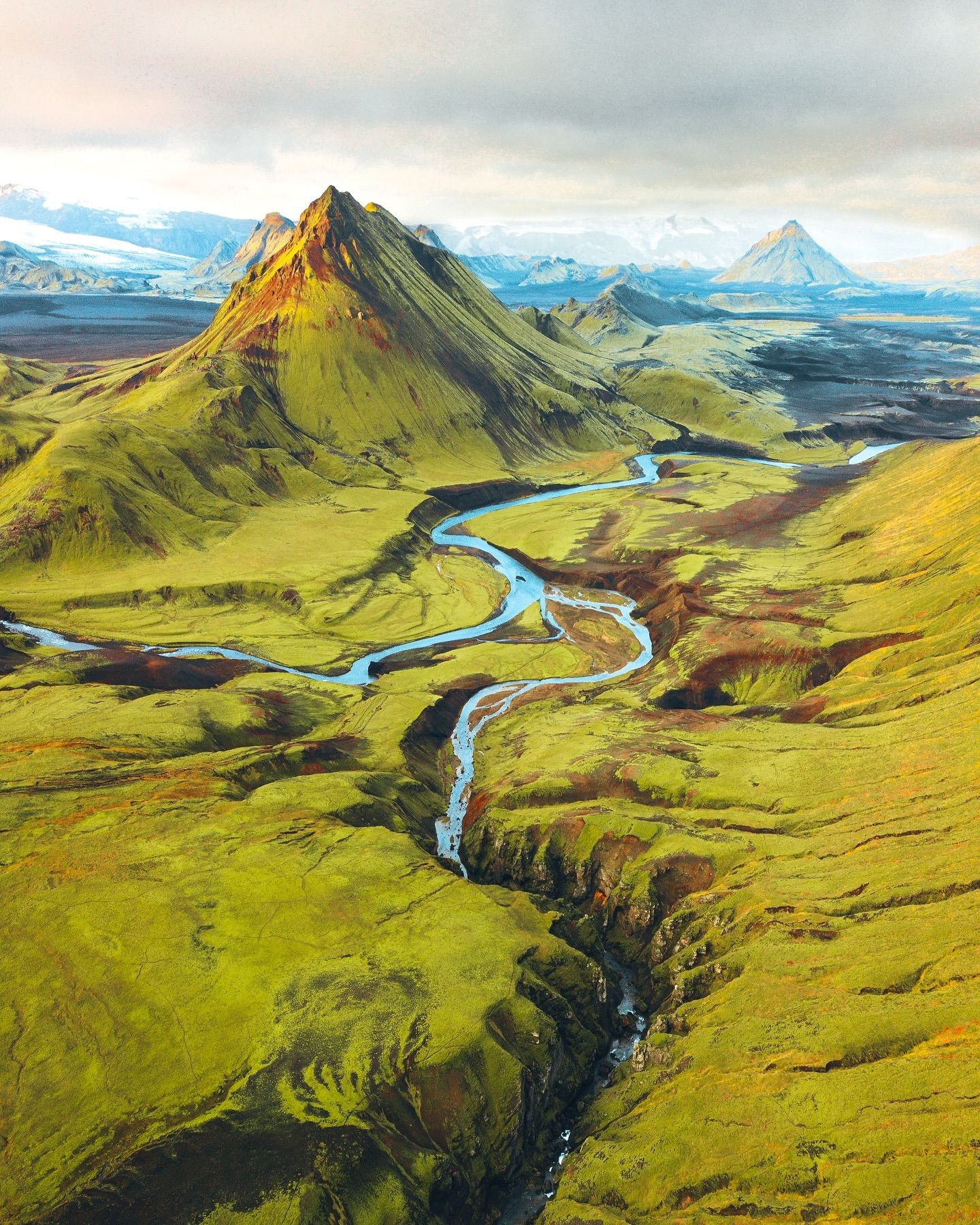
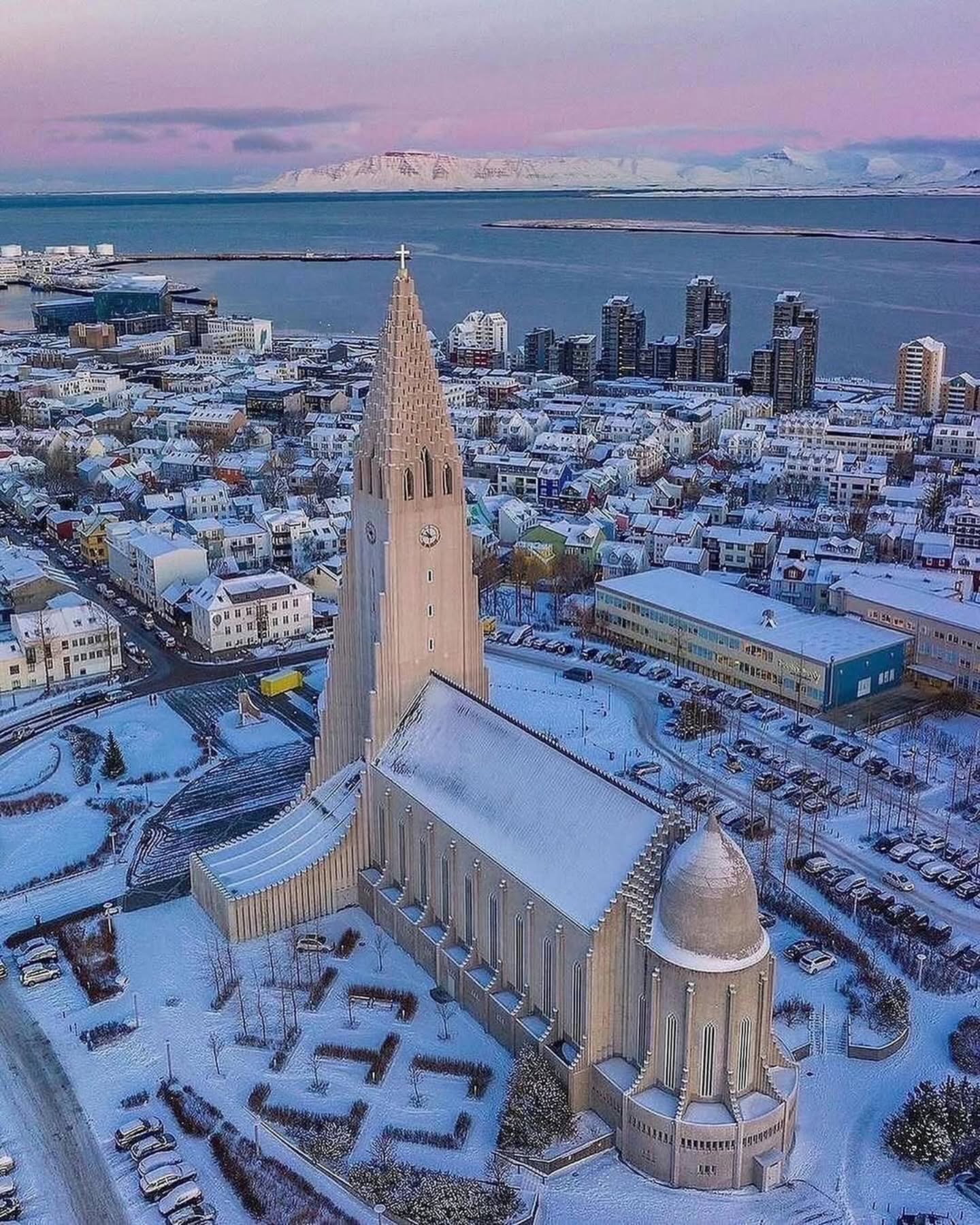
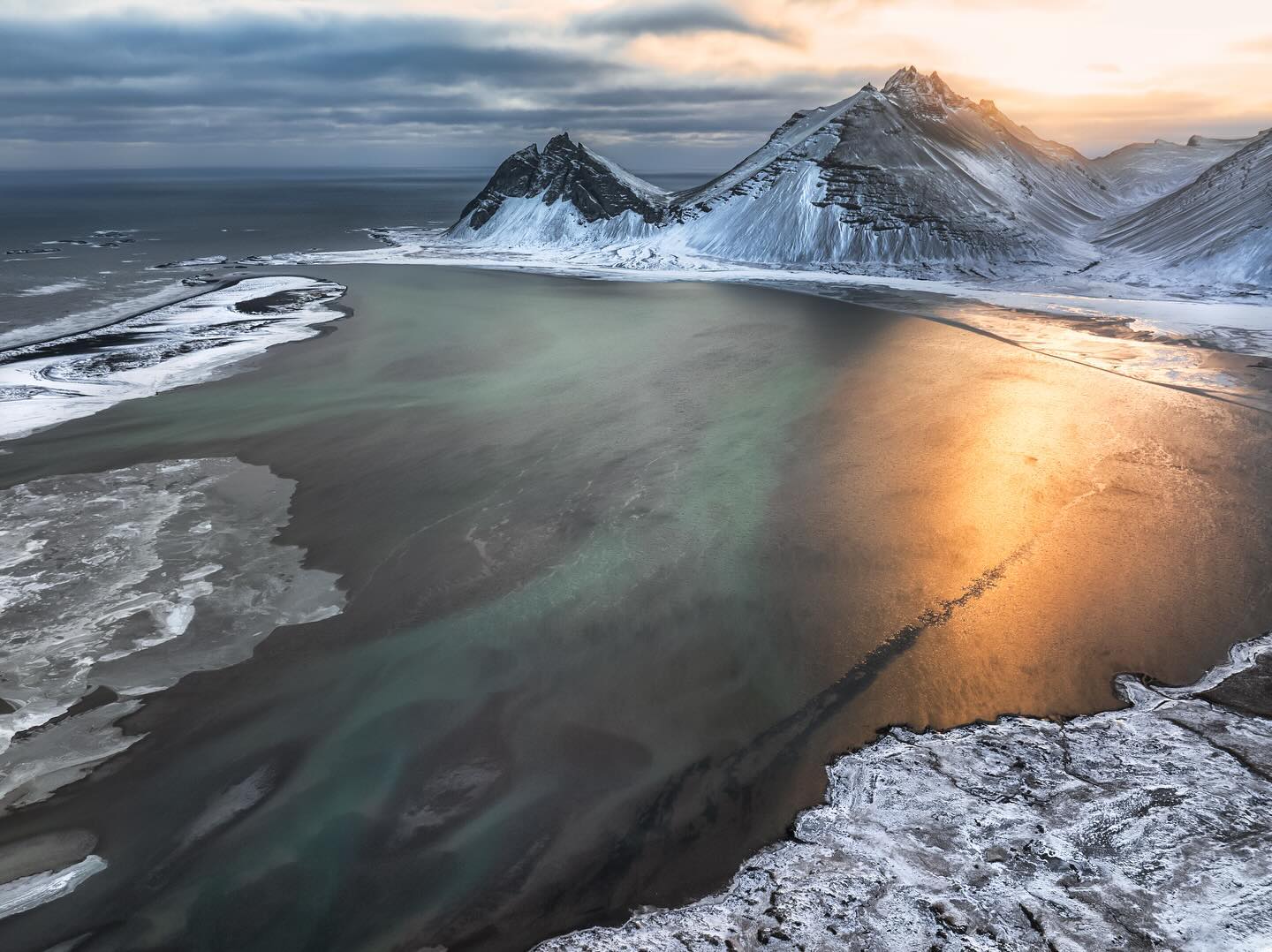
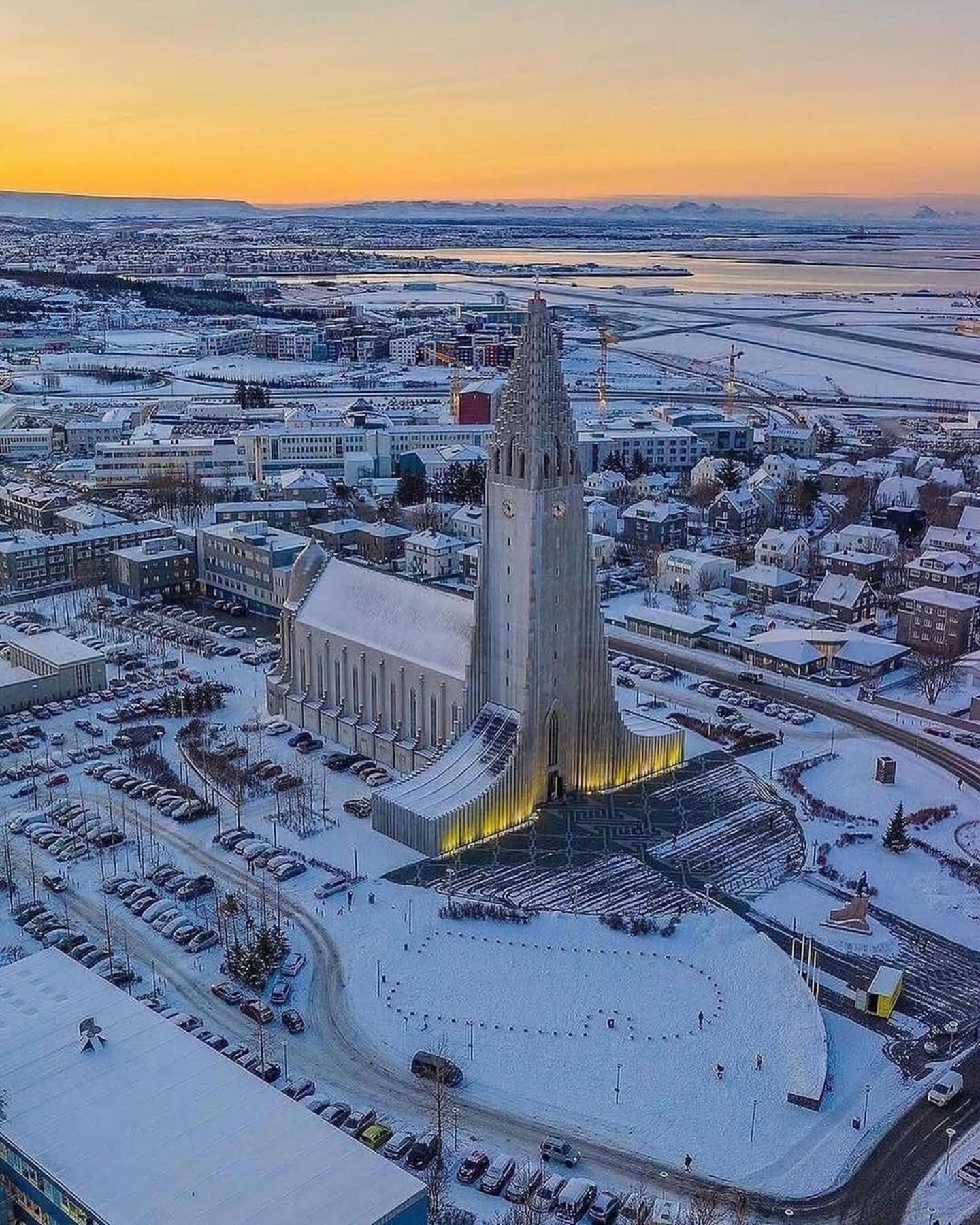
Iceland’s scarcity and exclusivity strategy is a masterclass in modern place branding. By positioning access as a privilege and emphasizing high-value, sustainable tourism, the nation has built a resilient brand that protects its assets and attracts the right audience.
For destinations worldwide, the lesson is clear: scarcity isn’t a weakness—it’s a strength. When used wisely, it creates value, preserves heritage, and builds a brand that stands the test of time.
How PDF Africa Can Help
Make your destination stand out like Iceland by leveraging scarcity to redefine tourism.
PDF Africa can help you craft a branding strategy that attracts high-value travelers, protects natural resources, and enhances your global reputation.
To get started, schedule a free discovery call with our team.
Reach out today to discover how we can transform your location into a premium, must-visit destination while securing sustainable growth for the future.