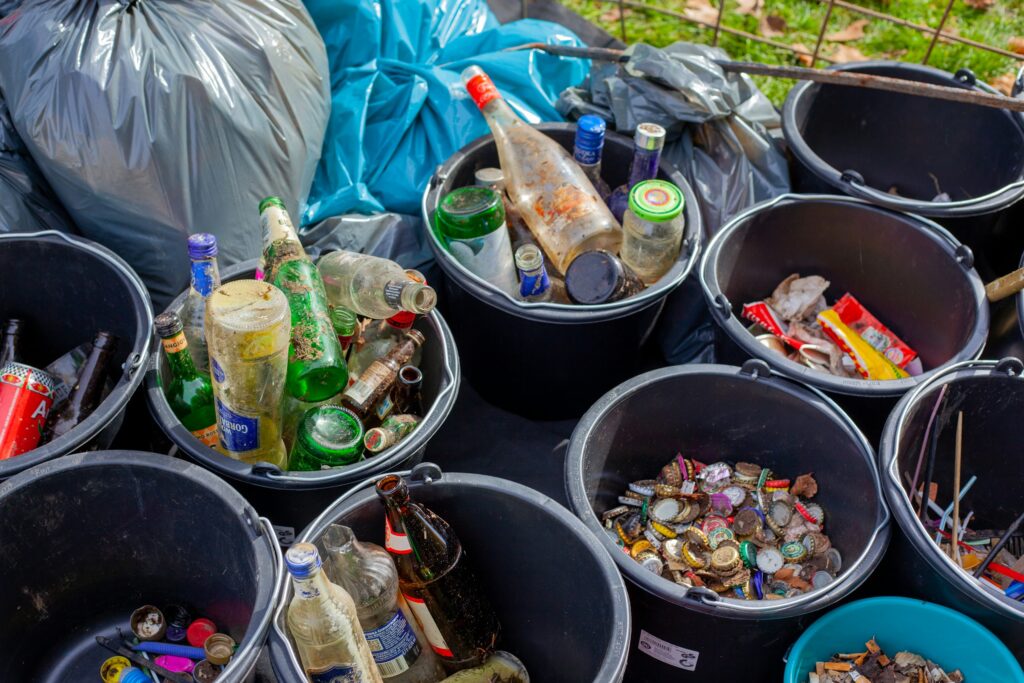
Industrial symbiosis sounds complex, but the concept is simple: your waste is my raw material. African industrial parks implementing this principle are cutting costs by 20-40% while dramatically reducing environmental impact.
Learn how African industrial parks are implementing industrial symbiosis—where one company’s waste becomes another’s raw material. Case studies, implementation frameworks, and economic benefits.
Article Summary: Industrial Symbiosis in Africa
- This article introduces industrial symbiosis to African manufacturers and explains how to implement it in industrial parks and economic zones.
- It defines core concepts: by-product synergies, utility sharing, joint service provision, and shared infrastructure.
- The piece walks through the implementation process: mapping material and energy flows, identifying synergy opportunities, negotiating exchange agreements, and building supporting infrastructure.
- Economic analysis shows cost savings from reduced waste disposal, lower raw material costs, and shared utility expenses. The article presents case studies from African industrial zones experimenting with symbiosis, including Konza Technopolis, Tatu City, Northlands City, and Vipingo EPZ.
- Special sections address trust-building among competitors, legal and contractual frameworks for waste-to-resource exchanges, and quality assurance for secondary materials.
- The piece discusses the role of industrial park management in facilitating industrial symbiosis and explains how governments can incentivize circular industrial systems through policy and planning.
Target Audience:
Industrial park managers, manufacturing operations directors, economic zone developers, industrial policy makers, and sustainability consultants