
While traditional reforestation takes 20-30 years to show measurable carbon impact, Paulownia-based agroforestry systems begin sequestering significant carbon within 3-5 years—fast enough to meet urgent climate targets while providing farmers with economic returns.
Article Summary:
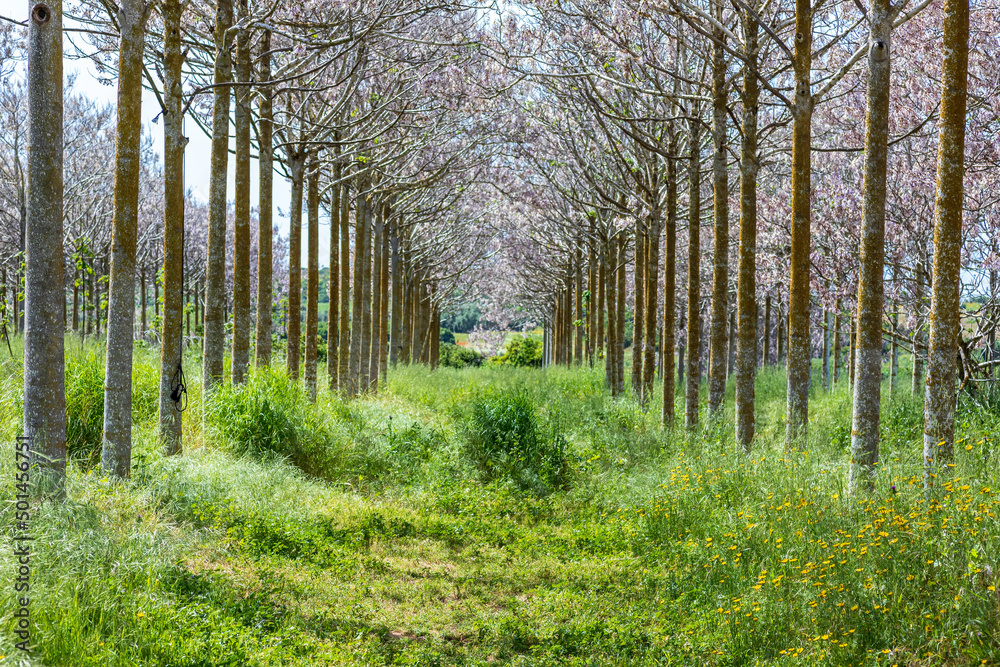
This article examines why Paulownia has emerged as a game-changer in Africa’s climate action landscape.
- It presents data from leading research institutions showing carbon sequestration rates, compares Paulownia to other tree species commonly used in reforestation, and explains the economic model that makes it attractive to smallholder farmers.
- The piece explores how Paulownia fits into Kenya’s 15 billion trees commitment, discusses carbon credit generation potential, and profiles three counties experimenting with Paulownia demonstration plots.
- Technical sections cover soil requirements, water needs, and integration with existing farming systems.
- The article concludes with policy recommendations for scaling Paulownia agroforestry as part of national climate strategies.
Target Audience:
Climate policymakers, agricultural extension officers, carbon project developers, and environmental scientists

