
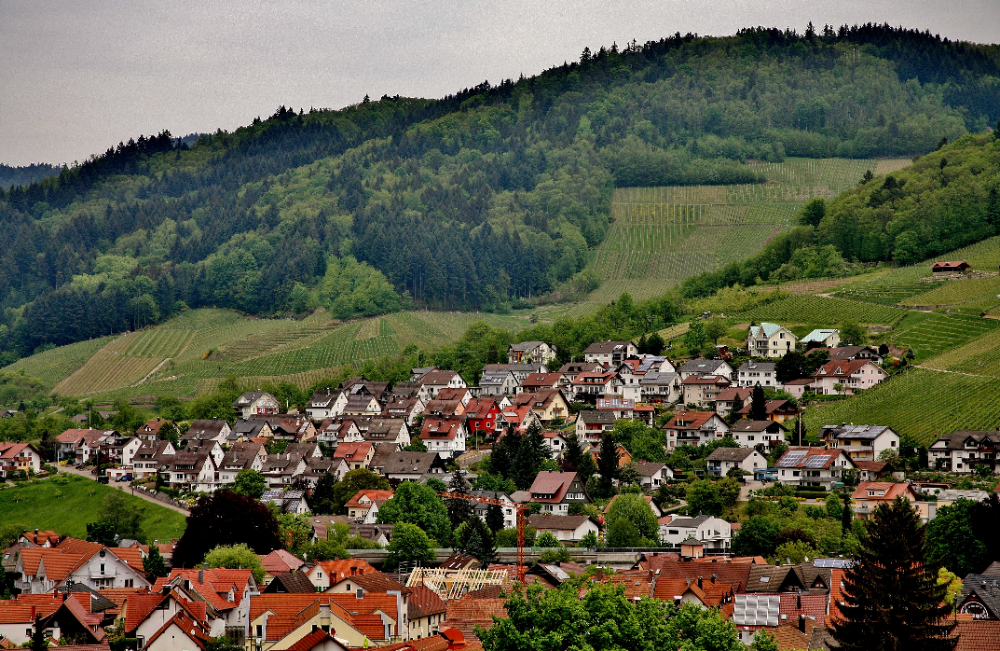
REFRAMING Weaknesses Through Place Branding
How Small towns Can Be Transformed Into Formidable Destination Giants
The art of reframing weaknesses as strengths is not just a psychological hack; it’s a proven strategy that has transformed places like small Tuscan towns, Bhutan, and the Faroe Islands into global magnets of charm, sustainability, and mystique.

In today’s globalized world, the race for visibility, investment, and tourism among destinations is fiercer than ever.
For small towns, regions with limited resources, and remote locations, this challenge often feels insurmountable.
Yet, with the right perspective and strategy, even the most apparent disadvantages can become compelling selling points.


Case Study: Small Towns in Tuscany, Italy
Challenge:
Tuscany’s smaller towns were overshadowed by the likes of Florence, Siena, and Pisa.
Reframe Strategy:
These towns branded themselves as havens of authentic Italian culture, untouched by mass tourism.
Their size became an asset, promising an “intimate and immersive” experience of Italian life.
Execution:
- Leveraged local artisans and culinary traditions to create unique visitor experiences.
- Promoted lesser-known festivals, emphasizing community spirit.
- Partnered with travel influencers to showcase the charm of their cobblestone streets, local markets, and family-run vineyards.
Outcome:
Today, towns like Pienza and Montepulciano are thriving destinations, attracting visitors seeking authenticity and tranquility.

Define Your Unique Narrative
What’s your town’s story? Whether it’s a historic industry, a natural feature, or a cultural quirk, make it central to your brand.

Create Signature Experiences
Develop activities or events that can’t be found elsewhere.

Leverage Community Knowledge
Showcase the warmth and hospitality of residents as a key attraction.

Case Study: Bhutan’s Eco-Friendly Tourism Approach
Challenge:
Bhutan’s small size and rugged terrain limited large-scale tourism development.
Reframe Strategy:
Bhutan positioned itself as a leader in sustainable tourism, guided by its philosophy of “Gross National Happiness,” which emphasizes holistic well-being by balancing economic development with cultural preservation, environmental sustainability, and good governance.
It turned its lack of resources into a commitment to preserving its culture and environment.
Execution:
- Instituted a “high-value, low-impact” tourism policy, including a daily tourist fee.
- Marketed its unspoiled landscapes and rich cultural heritage.
- Promoted itself as an exclusive destination for mindful travelers.
Outcome:
Bhutan is now a global model for sustainable tourism, attracting high-spending visitors who value its environmental and cultural ethos.

Embrace Sustainability
Highlight eco-friendly practices as part of your core identity.

Focus on Quality Over Quantity
Prioritize high-value experiences over mass tourism.

Educate Stakeholders
Ensure locals understand and support the value of sustainable practices.

Case Study: Faroe Islands’ Mystique
Challenge:
The Faroe Islands, an archipelago in the North Atlantic, had limited infrastructure and accessibility.
Reframe Strategy:
Instead of viewing remoteness as a hurdle, the islands branded themselves as an untouched, exclusive destination for the adventurous and curious.
Execution:
- Created campaigns emphasizing the dramatic beauty and serenity of their landscapes.
- The Faroe Islands implemented initiatives like “Closed for Maintenance, Open for Voluntourism,” which invites travelers to participate in conservation activities such as repairing hiking trails, planting native vegetation, and maintaining infrastructure.
- This unique program not only preserves the islands’ pristine environment but also strengthens the connection between visitors and the local community, reinforcing the islands’ reputation as a sustainable and exclusive destination.
- Limited annual visitor numbers to ensure a sustainable impact..
Outcome:
The Faroe Islands have become a sought-after destination for eco-tourists and adventure seekers, with media coverage amplifying their unique positioning.

Highlight Exclusivity
Use remoteness to create a sense of rarity and privilege.

Tell a Story of Preservation
Position your destination as a guardian of pristine environments.

Collaborate with Niche Markets
Partner with adventure, wellness, or luxury travel operators who cater to specific audiences.
Curated Cases of Successful Place Branding
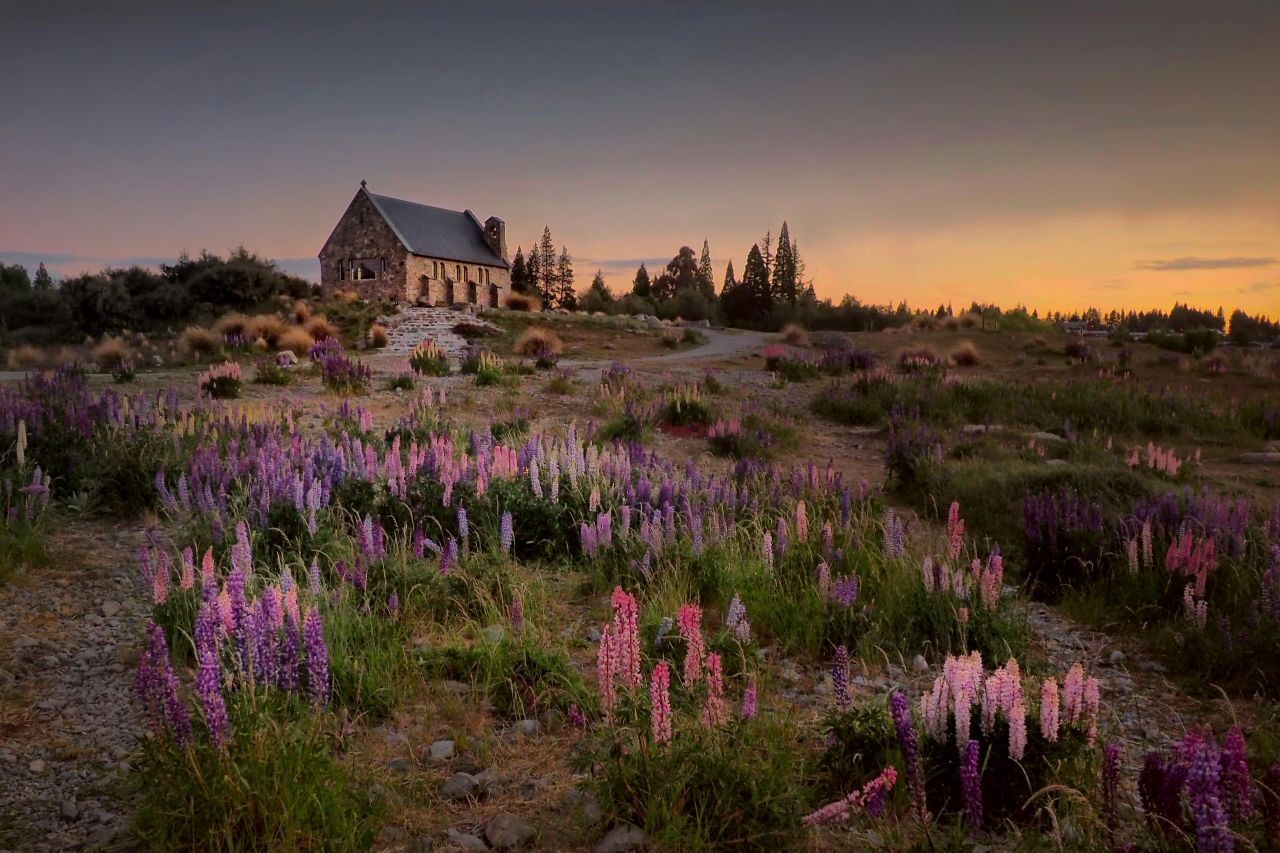
The Furthest Destination: How New Zealand Uses Distance to Its Advantage
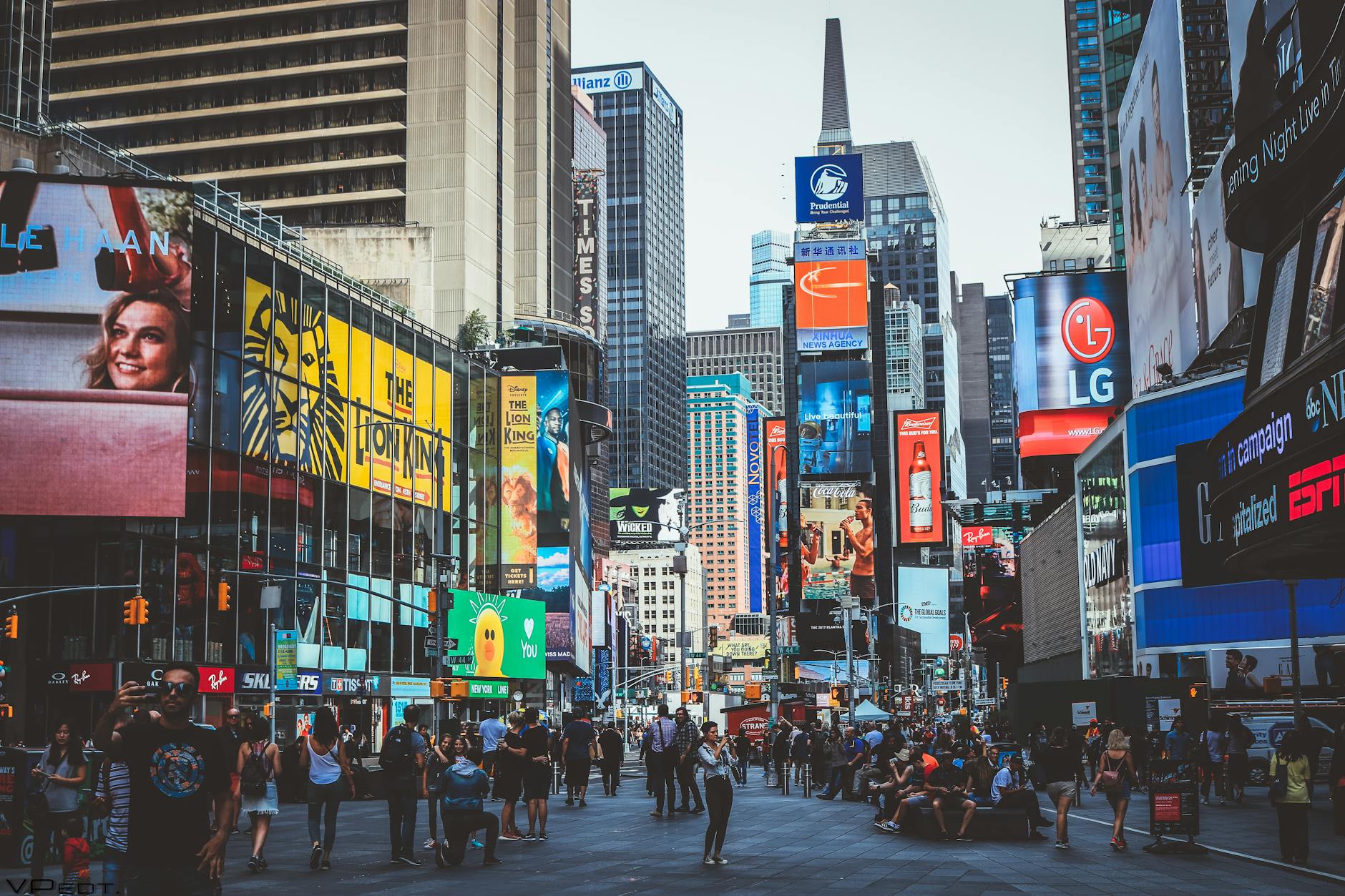
The Evolution of New York City Branding: A Timeless Classic

Singapore’s Journey: From Swampland to Global Financial Powerhouse
Implementation
Practical Steps to Reframe Weaknesses as Strengths


Reframing weaknesses as strengths is more than a branding exercise; it’s a mindset shift that empowers destinations to embrace their authenticity and uniqueness.
For instance, consider Bhutan’s approach to tourism, where the concept of “Gross National Happiness” integrates cultural preservation, environmental sustainability, and mindful governance to transform its limited infrastructure into an asset, showcasing how a clear narrative can redefine perceptions.
Whether it’s a small town offering intimate charm, a resource-limited region championing sustainability, or a remote location leveraging its exclusivity, the possibilities are endless.
By adopting this transformative approach, destinations can not only attract visitors and investment but also foster pride and resilience within their communities.
How PDF Africa Can Help
PDF Africa is committed to helping places across the continent and beyond apply these strategies to unlock their potential.
By learning from global success stories and tailoring solutions to local contexts, we can turn perceived weaknesses into compelling strengths that drive socio-economic growth.
To get started, schedule a free discovery call with our team.
We’ll conduct a preliminary asset audit and outline a roadmap for turning your location’s perceived weaknesses into strengths.
Let’s work together to make your destination a must-visit spot on the map.