
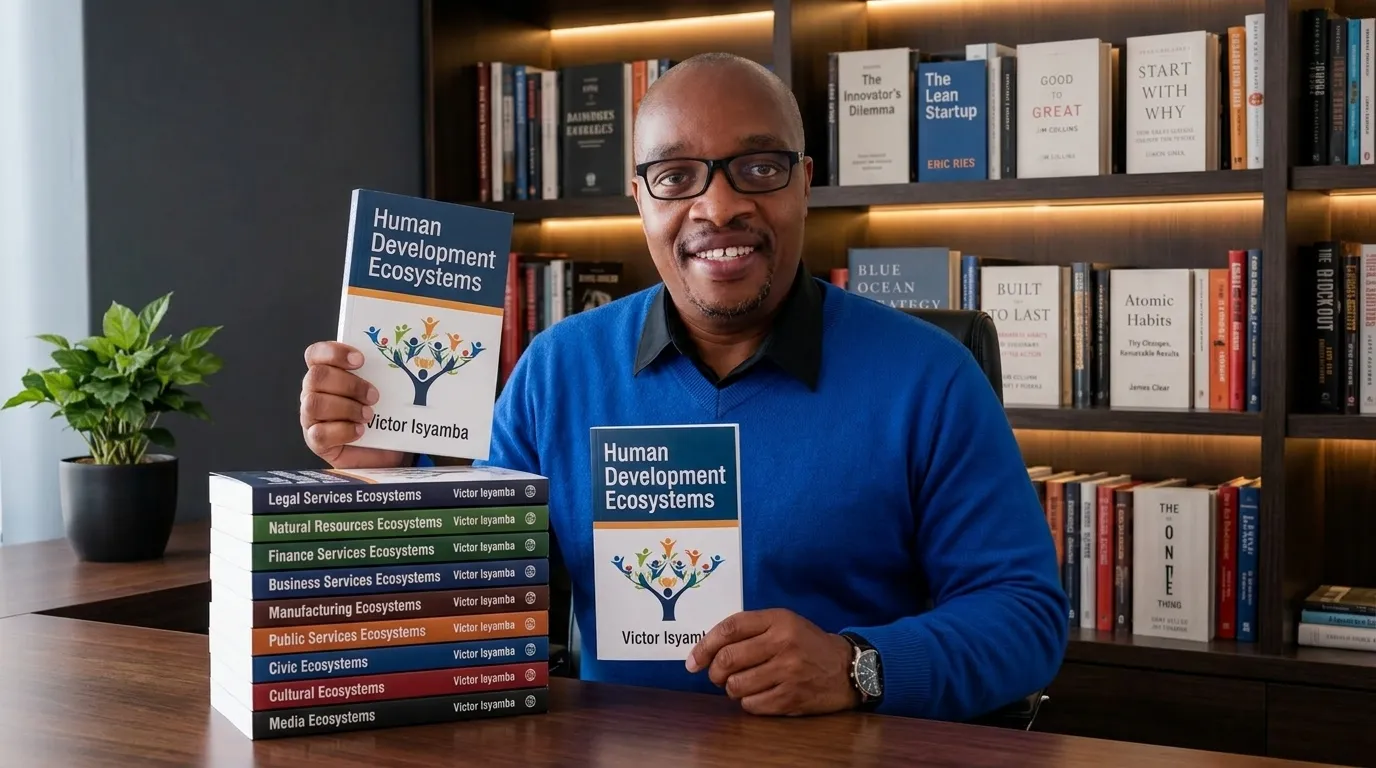
Ecosystem Cluster — Talent & Capability Engine
Thematic Engine: Talent & Capability
Core Question: Why are skills not connecting to opportunity?
Primary Frictions: Impact Credibility, Behaviour Change, Stakeholder Alignment, Donor Fatigue, Equity Narratives
Primary Archetypes: The Storyteller, The Philosopher, The Community Builder
Connected Clusters: Business Services, Manufacturing, Public Services, Civic Ecosystems
How This Cluster Connects to Others
Connection to Trust & Policy Engine:
Human Development depends on public funding and policy frameworks. Education and health are public services. Without Trust & Policy, Human Development lacks resources.
Connection to Identity & Influence Engine:
How a society treats its children, its sick, and its elderly defines its identity. Human Development stories shape national narrative. Without Identity & Influence, impact remains invisible.
“Human Development is not a cost centre. It is the talent engine for every other cluster. No other cluster can scale without skilled people.”— Victor Isyamba
What Is the Human Development Systems Cluster?
Human Development Systems encompasses organizations and initiatives focused on improving human well-being, capability, and opportunity. This cluster supplies the talent that every other cluster depends on.
This cluster includes:
The core challenge: Demonstrating impact credibly, changing behaviour sustainably, and aligning diverse stakeholders around shared human outcomes.
The cluster’s role in the broader economy: Every other cluster — Business Services, Manufacturing, Finance, even Government — depends on this cluster to produce skilled, healthy, capable citizens. When Human Development fails, every cluster fails.
“You cannot build a manufacturing economy without skilled technicians. You cannot build a service economy without educated professionals. Human Development is not an expense. It is the down payment on every other cluster.“— Victor Isyamba
Unique Frictions in Human Development Systems
| # | Friction Type | What It Looks Like | Cost of Inaction |
|---|---|---|---|
| 01 | Impact Credibility | Donors and funders cannot verify your impact claims. Evidence is weak or poorly communicated. | Funding dries up. Competitors with stronger narratives win grants. |
| 02 | Behaviour Change | Programmes require people to change habits, but adoption is slow and retention is low. | High programme costs. Low outcomes. Sustainability impossible. |
| 03 | Stakeholder Misalignment | Government, NGOs, communities, and funders all want different things. No shared framework. | Gridlock. Fragmented efforts. Wasted resources. |
| 04 | Donor Fatigue | Donors have heard similar stories from similar organizations. Your message blends into noise. | Declining donations. Shorter funding cycles. Constant fundraising pressure. |
| 05 | Equity Narratives | The people you serve are not represented in the stories you tell. Voice is missing. | Solutions that miss the mark. Distrust from communities. Perpetuation of power imbalances. |
Author Archetypes for Human Development Systems
| Friction | Primary Archetype | What They Do | Publishing Format |
|---|---|---|---|
| Impact Credibility | The Investigator | Surfaces real outcomes through rigorous documentation and transparent reporting | Impact Reports, Case Studies |
| Behaviour Change | The Storyteller | Creates emotional connection that motivates sustained behaviour change | Participant Stories, Narrative Series |
| Stakeholder Misalignment | The Diplomat | Builds shared frameworks that align government, NGOs, funders, and communities | Alignment Frameworks, Stakeholder Briefings |
| Donor Fatigue | The Evangelist | Rekindles belief through compelling vision and evidence of what is possible | Donor Briefings, Vision Documents |
| Equity Narratives | The Philosopher | Establishes principles that centre the voices of those served | Principles Frameworks, Equity Guides |
| Community Voice | The Community Builder | Creates belonging and ensures community participation in decision-making | Community Forums, Participatory Reports |
Publishing Formats for Human Development Systems
| Format | Purpose | Example | Operating Model |
|---|---|---|---|
| Impact Reports | Demonstrate credible outcomes to funders and stakeholders | “2025 Impact Report: 10,000 Lives Changed” | Co-Creating (shared IP with partners) |
| Participatory Case Studies | Centre the voices of those served | “Stories from the Field: Voices of Our Community” | Rent-and-Rank Narrative (placement in donor platforms) |
| Stakeholder Alignment Frameworks | Align government, NGOs, and communities | “The Shared Agenda for Early Childhood Development” | Co-Creating (co-developed with stakeholders) |
| Donor Intelligence Briefings | Keep funders engaged between funding cycles | “Quarterly Impact Briefing for Education Partners” | Fractional Publishing (ongoing retainer) |
| Equity Principles Guides | Establish frameworks for centring marginalized voices | “Nothing About Us Without Us: A Participatory Design Guide” | Co-Creating (signature asset) |
| Community Voice Series | Amplify the perspectives of those served | “Our Voices, Our Future: Community-Led Solutions” | Rent-and-Rank Narrative (placement in community platforms) |
Success Markers for Human Development Systems
| Marker | What It Looks Like |
|---|---|
| Funding Renewal | Donors renew without lengthy re-proposal processes. Trust is established. |
| Stakeholder Alignment | Government, NGOs, and communities share a common framework and language. |
| Community Participation | Those served are co-designers, not just recipients. Their voices shape decisions. |
| Behaviour Change Evidence | You can demonstrate sustained behaviour change, not just short-term compliance. |
| Sector Reference Status | Your organization is consulted on policy, cited in sector reports, and invited to lead coalitions. |
Case Example
Organization: A community-based education nonprofit serving rural communities
Primary Friction: Impact Credibility + Donor Fatigue
GreenDeveX Approach:
Outcome:
How This Cluster Uses the Three Operating Models
| Operating Model | Application for Human Development Systems |
|---|---|
| Co-Creating Model | A Storyteller author co-creates a signature Impact Report with your organization. The report carries both names. Donors trust it because the author’s credibility transfers. |
| Fractional Publishing Model | Engage a Philosopher author on retainer to produce quarterly Donor Intelligence Briefings. Consistent communication keeps funders engaged between giving cycles. |
| Rent-and-Rank Narrative Model | Place Community Voice Series content within existing education and health platforms (e.g., Ministry of Education portals, WHO regional sites). Immediate visibility within trusted ecosystems. |
Interlinking to Related Ecosystem Clusters
| Related Cluster | Why They Connect |
|---|---|
| Public Services Ecosystems | Education and health are public services. They share funding, policy frameworks, and delivery challenges. |
| Business Services Ecosystems | Human Development supplies talent to Business Services. Without skilled graduates, consulting and professional services cannot scale. |
| Manufacturing Ecosystems | Human Development supplies skilled technicians and operators to Manufacturing. Without vocational training, factories cannot run. |
| Civic Ecosystems | Human Development depends on community participation. Civic Ecosystems create the engagement that makes education and health programmes work. |
| Cultural Systems | Human Development shapes cultural identity. How a society educates its children defines its future. |
| Media Systems | Human Development impact is invisible without media coverage. Media Systems amplify success stories and attract donors. |
Thematic Engine Connection: Talent & Capability
Human Development Systems is the primary cluster within the Talent & Capability Engine.
| Engine Question | How This Cluster Answers It |
|---|---|
| “Why are skills not connecting to opportunity?” | By documenting impact, aligning stakeholders, and ‘centring’ community voice. When Human Development works, skills connect to opportunity. |
| “What is the Interpretation Gap?” | Donors cannot see impact. Communities are not heard. Stakeholders are misaligned. |
| “How does GreenDeveX close the gap?” | Through Storytellers (resonance), Philosophers (conviction), and Community Builders (belonging). |
“The Talent & Capability Engine is only as strong as its Human Development cluster. Invest here first. Every other cluster depends on it.”— Victor Isyamba
Ready to make your Human Development impact visible?
Map your friction, match your authors, and deploy through the right operating model.
→ Start Your Ecosystem Journey
→ Public Services Ecosystems (Trust & Policy Engine) →
→ Business Services Ecosystems (Production & Value Engine) →
→ Civic Ecosystems (Trust & Policy Engine) →
Next Recommended Step
Now that you understand Human Development Systems, explore how Public Services Ecosystems connects to this cluster through shared funding, policy frameworks, and delivery challenges.
→ Explore Public Services Ecosystems